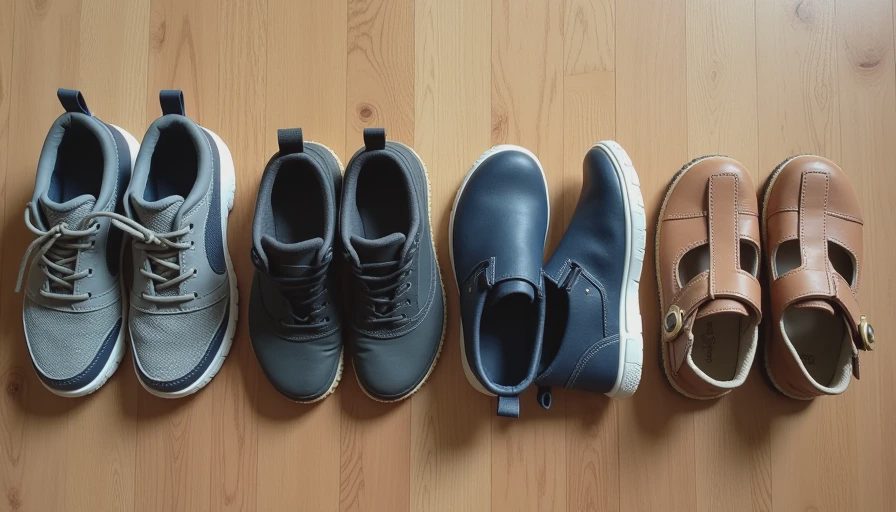
Shoes seem to multiply in our house like socks that disappear in the dryer. Between Lily (6) and Noah (3), I’m constantly sorting, donating, and occasionally buying new ones. After years in children’s retail and real-life parenting in Minnesota, I’ve landed on a much simpler approach: young kids need far fewer pairs than marketing wants us to believe.
“Cute is nice. Easy is better.” This is especially true with shoes, where comfort and function beat cuteness every single time.
Why We Tend to Overbuy Shoes
It’s easy to get caught up. Tiny sneakers with lights, adorable boots with characters, dressy shoes for “special occasions.” But most of these end up barely worn while the favorites get rotated constantly until they fall apart.
Kids’ feet grow fast — sometimes every 2-3 months in toddler years. Buying too many pairs means money spent on shoes that no longer fit before they’re properly worn. I’ve made this mistake plenty of times.
My Current Shoe Count Per Child
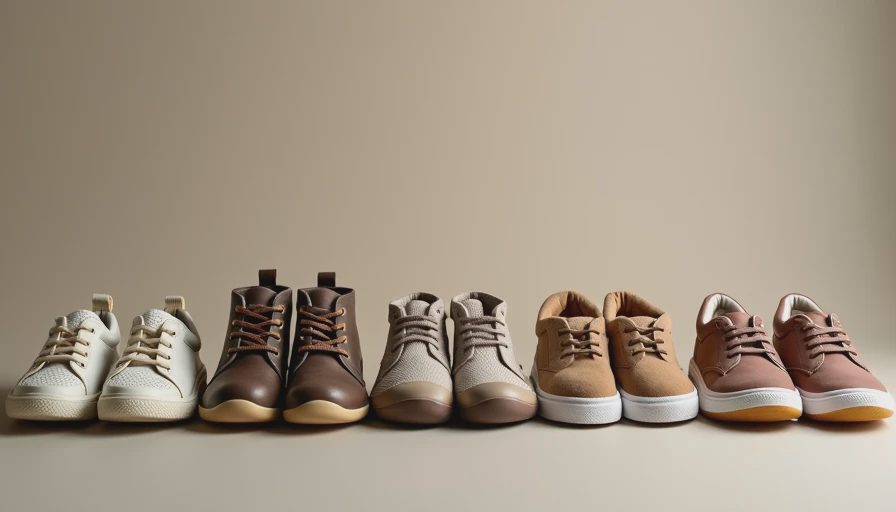
For both Lily and Noah, I aim to keep it to 4–5 pairs in active rotation at any time. Here’s the breakdown:
1. Everyday Sneakers (The Workhorse)
These get the most wear. I look for flexible soles, good cushioning, and breathable mesh. Neutral colors that go with everything. Noah’s current favorites are gray with some blue accents. They handle school drop-off, playground time, and errands.
2. Waterproof Boots or Rain/Snow Shoes
Essential for Minnesota weather. Mid-height, easy to pull on, with decent traction. These save regular shoes from mud and slush. I replace these seasonally as needed.
3. Indoor or Casual Slip-ons
Great for quick trips, playdates, or days when they’re in and out of the house. Flexible and easy for little hands to manage themselves.
4. Seasonal Sport or Outdoor Shoes
In summer: sturdy sandals with good toe protection. In winter: insulated snow boots if needed beyond the waterproof pair.
5. One “Nice” Pair (Optional)
Only if they have frequent dressier events. I keep these minimal — soft leather-like sneakers or flexible dress shoes that still allow running.
What I’ve Stopped Buying
Multiple pairs of character shoes (interest fades fast)
Purely decorative dress shoes that pinch or have no grip
Light-colored canvas shoes that show every stain
Expensive “first walker” shoes once they’re past that stage (regular flexible sneakers work better)
Real-Life Shoe Strategy in Our House
I keep a dedicated shoe basket by the door. Everything gets tried on every couple of months to check fit. Anything too small gets passed on immediately through consignment or hand-me-downs.
Last year I reduced Noah’s shoes from 8 pairs down to 5. He actually wears them more evenly now, and mornings are less chaotic because there aren’t too many choices.
For Lily, who’s more active in sports and play, I prioritize replacement of her everyday sneakers every 4-5 months because she wears them hard. Quality over quantity here.
How to Choose the Right Shoes
Key things I check every time:
Flexibility: Can the shoe bend easily at the ball of the foot?
Toe Room: About a thumb’s width of space at the front
Heel Hold: No slipping when they walk
Weight: Lightweight is better for little legs
Breathability: Mesh or natural materials when possible
I always have the child walk around the store, squat, and run a few steps if allowed.
Budgeting for Shoes
My general rule: Spend more on the pairs they wear daily (good sneakers and boots). Save on occasional pairs. Secondhand is fantastic for dressier or lightly used shoes — I’ve found great name-brand options on ThredUp and Facebook Marketplace.
Seasonal Rotation Tips
Spring/Summer: Focus on breathable sneakers and sandals
Fall/Winter: Prioritize waterproof and insulated options
Keep one pair in the car for emergencies or surprise weather
The Freedom of Fewer Shoes
When we simplified, I noticed the kids were happier. Less decision fatigue, less clutter, and I’m not constantly digging through piles looking for the matching shoe.
Your child really only needs shoes that support their actual daily life. For most young kids in real families, 4-5 well-chosen pairs cover everything from muddy playgrounds to family photos without stress.
I’d love to know your shoe situation. How many pairs do your kids actually use? What’s your biggest shoe shopping challenge? Drop your thoughts in the comments!
No notes yet — be the first to inscribe one.