
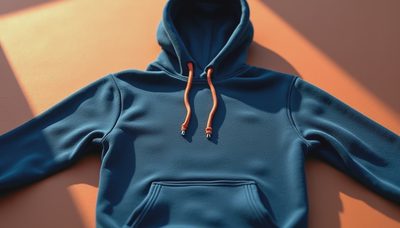
Last month, my neighbor Emily called me over, holding up her three-year-old's favorite hoodie. It was covered in tiny balls of fuzz, and the bright blue had turned a sad gray. "Is this just what happens?" she asked. I shook my head. That's when I started thinking about **avoiding common kids clothes pilling and fading problems**. Every parent knows the frustration of buying cute outfits that look worn out after just a few washes. But with a few simple habits, you can keep those clothes looking new for longer. And honestly, it's not about being precious about laundry — it's about respecting the money you spent and the memories stitched into each piece.
Why Do Kids' Clothes Pill and Fade So Fast?
Pilling happens when short fibers loosen from the fabric's surface and ball up. It's most common on knits, fleece, and synthetic blends. Fading, on the other hand, is usually caused by dyes breaking down under heat, sunlight, or harsh detergents. Kids' clothes get washed more often — think grass stains, food spills, and the general chaos of toddler life. The combination of frequent washing and cheaper fabrics makes pilling and fading almost inevitable. But understanding this is the first step in **avoiding common kids clothes pilling and fading problems**.

Smart Shopping: Choose Fabrics That Last
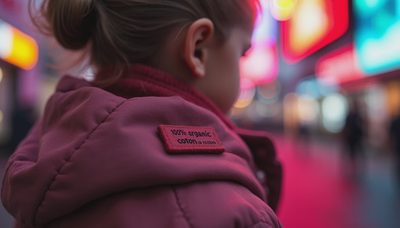
Before you even throw a garment in the wash, start by choosing clothes that resist pilling and fading. Look for tightly woven fabrics like cotton jersey, denim, and wool blends that have been treated for durability. Avoid cheap acrylic and polyester knits that fuzz quickly. I always flip the garment inside out and check for loose threads or a "brush" test — if the surface fuzzes under your thumb, it'll pill. Also, check the care label. If it says "dry clean" for a toddler's shirt, pass. You want machine‑washable, preferably cold water and tumble dry low. Some brands like Hanna Andersson and Primary hold up well, but even budget finds from Old Navy can last if you treat them right.
The Right Wash Routine: Your Secret Weapon
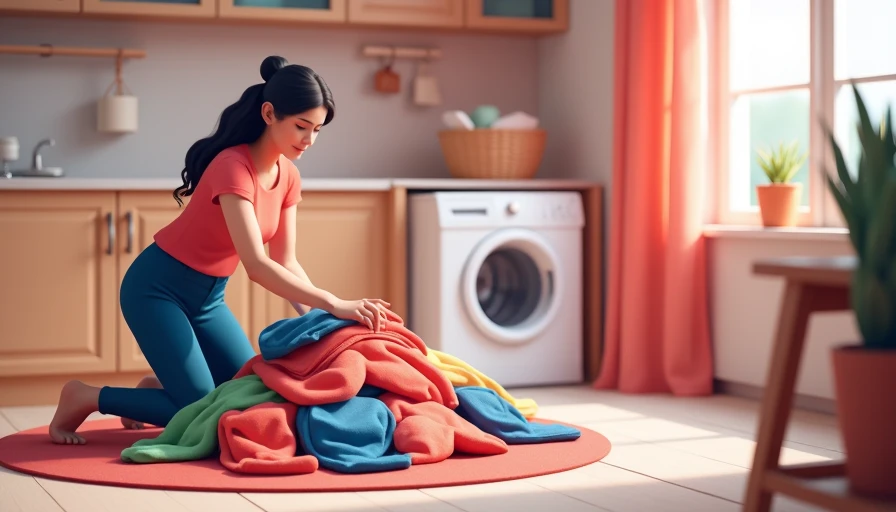
Cold water washing is the single best thing you can do to prevent fading. Heat opens up fabric fibers and releases dye. Also, turn clothes inside out before washing — that puts the outer surface less in direct contact with other garments and the agitation of the machine. Use a gentle cycle, and don't overload the washer. Overcrowding increases friction, which causes pilling. Detergent choice matters too: look for ones labeled "color‑safe" or for delicates. Skip fabric softener; it coats fibers and actually encourages pilling by loosening threads. Instead, add a half cup of white vinegar to the rinse cycle once a month — it helps set dyes and softens naturally. These steps are central to **avoiding common kids clothes pilling and fading problems**.
Drying and Storing Like a Pro
The dryer is a pilling and fading culprit. High heat accelerates fiber breakdown and color loss. Whenever possible, air‑dry kids' clothes on a rack or line. If you need to use the dryer, keep it on low heat and remove items while still slightly damp. For sweaters and fleece, lay them flat to dry — hanging stretches fibers and creates weak spots. Storage matters too: fold heavy knits rather than hanging them, and keep clothes out of direct sunlight (UV rays fade color faster than any detergent). Organize by size so you're not digging through a pile that rubs against each other. For out‑of‑season clothes, fold them with acid‑free tissue paper and store in cotton bags, not plastic bins, to allow breathability and prevent moisture buildup.
Little Fixes for When Damage Happens
Even with the best care, some pilling may appear. Don't toss the garment! Use a fabric shaver — I have a small rechargeable one that costs about $15 — to gently remove pills from sweaters and fleece. For faded colors, try a dye‑reviving wash with a color‑restoring product like Rit ColorStay Dye Fixative or a homemade baking soda soak. (Test on an inconspicuous area first.) These tricks can extend a garment's life.
The Emotional Side of Clothes That Last
I think about all the hours my friend Emily spent picking out that blue hoodie — the one her son wore to storytime, to the park, to his first pumpkin patch. Clothes carry memories. By **avoiding common kids clothes pilling and fading problems**, you're not just saving money; you're preserving the stories of childhood. Every time I see a perfectly faded hand‑me‑down that's been loved by three kids in a row, I smile. That's the kind of wear that matters.
So next time you reach for the laundry soap, remember: a little cold water and a few thoughtful habits can make a world of difference. And if you ever find yourself staring at a pilled hoodie, know that you're not alone — and that there's always a fix.
Wear your story.
No notes yet — be the first to inscribe one.