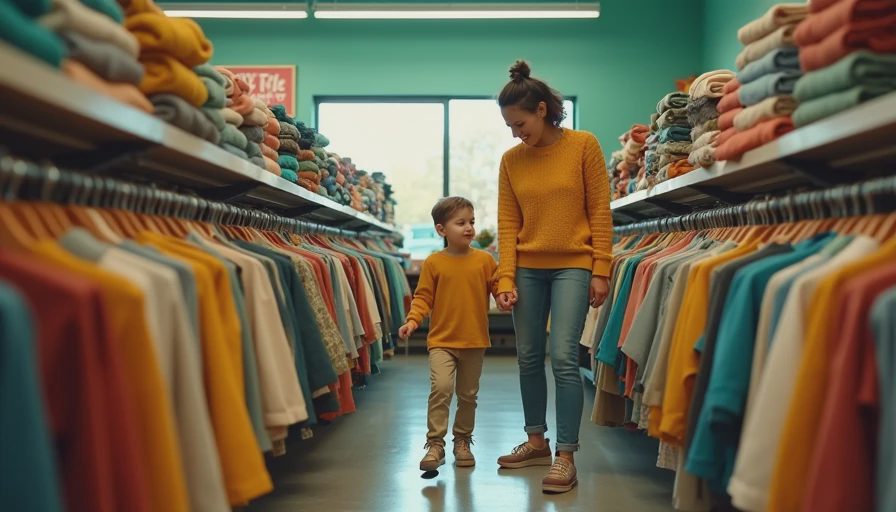
I started thrifting for my niece when she was a newborn, and now she’s five—which means I’ve cycled through every season of tiny jeans, rain boots, and Halloween costumes at least twice. The best secondhand shopping strategies for kids clothes by season aren’t just about saving money (though that’s a big part). They’re about knowing when to pounce on cotton sundresses and when to hold out for wool coats. Over the years, I’ve built a seasonal rhythm that makes secondhand shopping feel less like a scramble and more like a treasure hunt with a map. Here’s how I do it.
Spring and Summer: Light Layers and Quick Changes
Spring hits New York like a shrug—balmy one day, chilly the next. For kids, that means layers. My favorite spring finds are light jackets and long-sleeve tees that can peel off by noon. I start scanning thrift stores in late February, when winter stock is still heavy but spring donations trickle in. Summer is all about shorts, swimsuits, and sandals. I look for brands like Mini Boden or Tea Collection that hold up after multiple washes. Last June, I found a pair of almost-new Keen sandals for $8 at a Park Slope stoop sale. The trick is to shop for the next size up in early spring, before the weather turns and everyone else has the same idea.
Fall and Winter: Coats, Boots, and Everything Warm
Fall is the season of heft. Kids’ winter coats are expensive new, but secondhand? A steal. I start hunting in September for down jackets and snowsuits. My go-to is the Housing Works on Atlantic Avenue—they always have a rack of Patagonia and Lands' End hand-me-downs. For boots, I look for Bogs or Kamik; they’re durable and easy to wipe clean. One year I scored a barely-used Columbia snowsuit for $12. The best secondhand shopping strategies for kids clothes by season come into sharpest focus here: buy winter gear at the end of winter for next year, or at the very beginning before parents donate last season’s things. I also check Facebook Marketplace for bundles—sometimes you can get a whole size run for $40.
Year-Round Basics: The Seasonal Carry-Over
Some pieces don’t follow a season: leggings, jeans, long-sleeve tees, pajamas. These are the backbone of any kid’s wardrobe. I keep a running list of what my niece needs and check thrift stores whenever I pass them. The best strategy is to stock up on basics in neutral colors during off-peak months—January for long-sleeves, July for shorts. That way, when she has a growth spurt in March, I’ve already got a bag of next-size-up leggings waiting. The key is consistency, not volume.
My Favorite Spots for Seasonal Secondhand Kids' Clothes
I have a rotating list of places I visit for each season. For spring and summer, I love the outdoor flea markets in Fort Greene—vendors often sell bundles of baby clothes for $5. For fall and winter, I hit the consignment shops in Park Slope (Second Time Around is a goldmine). Online, I use ThredUp’s “Kids” category and filter by size and season. The best secondhand shopping strategies for kids clothes by season rely on knowing where to look at the right time. I also set alerts on Depop for brands I like.
How to Size Up Ahead (and Why It Works)
Kids grow fast, but not unpredictably. I buy two sizes up for seasonal items—so a winter coat for next year is bought on clearance this March. I keep a bin in my closet labeled “Size Up” and toss finds in there as I go. It’s a small habit that saves me from panic buying full-price coats in November. This strategy works especially well for shoes: buy next summer’s sandals in August, when they’re marked down and secondhand shops are clearing summer stock.
Quick Tips for Each Season
- **Spring:** Look for rain gear and light jackets in February. Check for stains on light colors.
- **Summer:** Shorts and swimwear in May. UV-protective rash guards are great secondhand finds.
- **Fall:** Sweaters and jeans in September. Wool blends last longer.
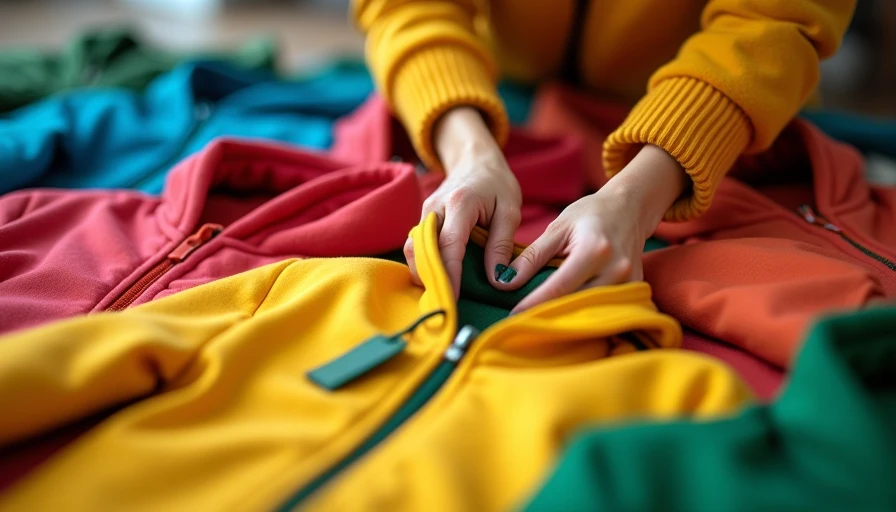
- **Winter:** Coats and boots in October. Inspect zippers and seams.
Common Questions About Seasonal Secondhand Shopping
**How do I know if a secondhand coat will fit next year?** Buy for the size your child will be in that season a year from now. If they're wearing size 4 this winter, pick up size 6 for next year. Check the label and guess based on growth patterns. Also, consider the brand's sizing—some run large, others small. Try to buy coats with adjustable features like drawstrings or removable liners that can extend wear.
**What should I avoid buying secondhand?** Underwear, socks, and car seats are no-gos. For clothes, avoid items with broken zippers or elastic that's lost its snap. Always check for stains in natural light. Also skip anything with strong smoke odors, as they're hard to remove. If a piece has pilling or fading, it might not last through the season.
**Where can I find the best deals by season?** Spring and summer deals pop up at yard sales and church bazaars. For fall and winter, try consignment shops and Facebook Marketplace. Online, set alerts for your size and brand preferences on ThredUp or Depop. Don't forget local buy-nothing groups—they often give away seasonal clothing bundles for free.
Following these strategies has helped me build a wardrobe for my niece that feels intentional, not wasteful. The best secondhand shopping strategies for kids clothes by season are really just about paying attention—to the calendar, to quality, and to the stories each piece carries. Wear your story.


No notes yet — be the first to inscribe one.