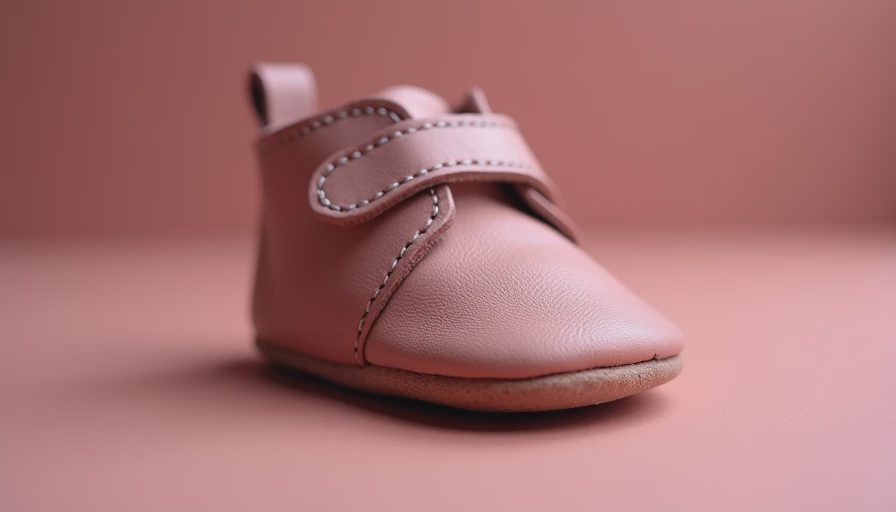
When my niece turned one, I decided to help my sister curate a shoe wardrobe that wouldn't need a complete swap each season. I started down the rabbit hole of reading about building a minimalist kids shoe collection for all seasons, and what I found surprised me. It’s not about buying fewer shoes—it’s about buying the right ones. The goal is a small rotation of versatile pairs that work from spring puddles to winter snow, from playground romps to Sunday dinners. After months of research and a lot of trial and error, here’s what I’ve learned.
Why Minimalist Works for Kids’ Shoes
Kids’ feet grow fast—up to two sizes a year in the early years. The last thing you need is a closet full of half-worn sneakers. A minimalist approach saves money, reduces clutter, and ensures every pair gets plenty of use. Plus, when you choose quality materials like leather or sturdy canvas, the shoes can often be passed down. I’ve seen it firsthand: a good pair of leather boots from Pediped lasted through two cousins.
But minimalist doesn’t mean bare-bones. It means deliberate. For building a minimalist kids shoe collection for all seasons, you want each pair to handle multiple weather scenarios. Waterproof soles for puddles, breathable uppers for summer, and a warm lining for cold days. The trick is to find designs that bridge seasons.
The Core: One Pair for Each Category
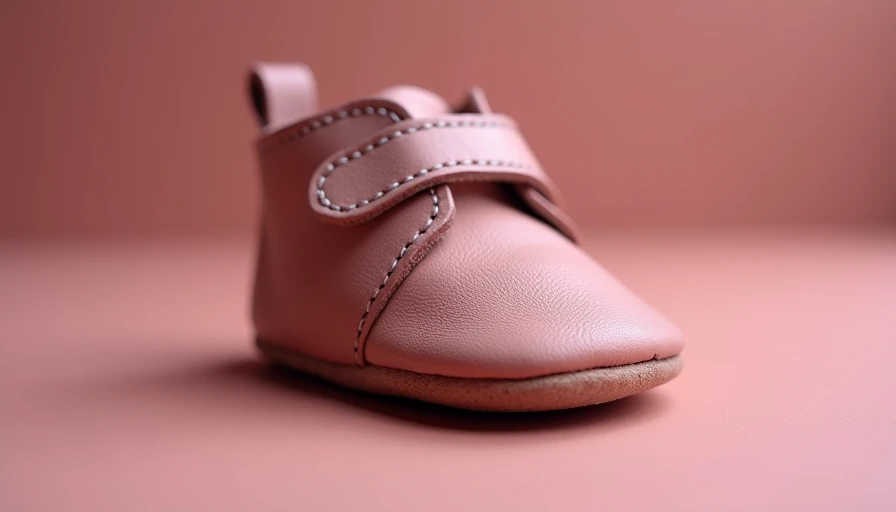
Start with three core pairs: a sneaker, a boot, and a sandal. For the sneaker, I love Ten Little’s leather everyday shoe—it’s machine washable, has a wide toe box, and works for both indoor play and outdoor adventures. The boot? A waterproof Chelsea boot from Stride Rite or See Kai Run can go from fall leaves to spring slush. And for summer, a closed-toe sandal like Bobux’s Leather Sandal offers protection with airflow.
These three cover 80% of your child’s needs. But building a minimalist kids shoe collection for all seasons also means thinking about transition pieces. A lightweight rain boot from Bogs can handle wet days in any season, and a pair of wool-lined booties from Mayoral are perfect for chilly evenings.
Seasonal Adjustments Without Overhaul
The beauty of a minimalist collection is that you only swap one or two pairs per season. In winter, you might add a pair of insulated snow boots (like Sorel’s Yoot Pac) and retire the sandals. Come summer, the boots go into storage and the sandals come out. The sneakers stay year-round—they’re the workhorse. This approach aligns completely with building a minimalist kids shoe collection for all seasons because it reduces the need to buy eight different pairs annually.
I recommend doing a quick size check every three months. If the sneakers still fit, they likely still have life. If not, it’s time to replace them with the next size. Donate the outgrown pair—most kids’ shoes have plenty of wear left.
Where to Find Quality, Timeless Styles
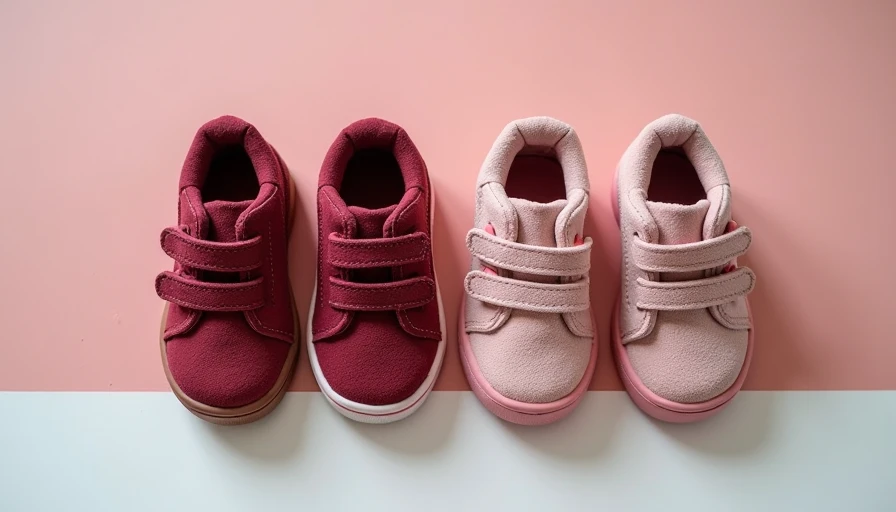
I hunt for secondhand first. Thrift stores in neighborhoods like Park Slope often have barely-worn See Kai Run and Pediped for a fraction of the retail price. Online, Poshmark and Mercari have robust kids’ shoe sections. I also watch the end-of-season sales at Kyte Baby and Mini Rodini for deals on leather booties.
If you prefer new, Ten Little and See Kai Run offer subscription programs that can help you stay ahead of growth spurts. I’ve found the investment pays off—a $60 pair of leather sneakers can last two seasons if your child’s feet cooperate.
How to Maintain a Minimalist Kids Shoe Collection Year-Round
Once you’ve nailed down your core pairs, proper care extends their life and keeps your collection minimal. After each season, clean the shoes thoroughly: wipe leather with a damp cloth, scrub canvas with a soft brush, and air-dry them away from direct heat. For rain boots, rinse off mud and store them upside down to prevent cracking. A simple shoe rack near the door encourages your child to put shoes away—I use a three-tier bamboo rack from Target that holds all four pairs neatly.
Rotate pairs every other day to let them dry out fully between wears. This prevents odor and material breakdown. Check the soles monthly for uneven wear; if you see gaps or thin spots, it’s time to replace that pair. Finally, when your child outgrows a shoe, immediately pass it down or donate it—don’t let clutter creep back. This maintenance routine is key to successful building a minimalist kids shoe collection for all seasons because it ensures each pair reaches its full lifespan without needing early replacement.
Final Thoughts
Building a minimalist kids shoe collection for all seasons is really about being intentional. You don’t need a dozen pairs; you need five that work hard. My niece now has four pairs total, and she’s never complained about her feet being too hot or too cold. That’s the goal: shoes that fit her life, not her closet. Wear your story.
*This post contains affiliate links. All recommendations are based on personal experience.*



No notes yet — be the first to inscribe one.