Last summer, my sister and her family invited me along on their trip to the Pacific Northwest and then down to the California coast—a week split between cool, misty mornings in Oregon and warm, sunny afternoons in Santa Monica. Watching her pack for two small children, I was reminded of the chaos (and creativity) of preparing travel clothes that have to work in radically different weather. That’s the challenge of family vacation outfits for kids that work across different climates: you need pieces that can handle a rainy morning at a national park and a hot afternoon on the beach, all without filling a suitcase to bursting. Over the years, I’ve learned that the key isn’t more clothes—it’s smarter choices. Here’s what I’ve seen work for my sister’s kids, and what I’d recommend to any parent facing the same packing puzzle.
The Art of Layering
The core of any climate-hopping wardrobe is layering. Start with a breathable base layer, like a soft cotton tee or a lightweight long-sleeve shirt. These can be worn alone in warmer weather or tucked under a sweater or jacket when temperatures drop. I remember my niece, wearing a simple striped tee, running from a cool airport terminal to a sun-soaked sidewalk in the same shirt—just added a cardigan. For a versatile option, merino wool blends are excellent because they regulate temperature and resist odors. Look for kids’ pieces in neutral colors (gray, navy, olive) that mix easily with brighter accessories.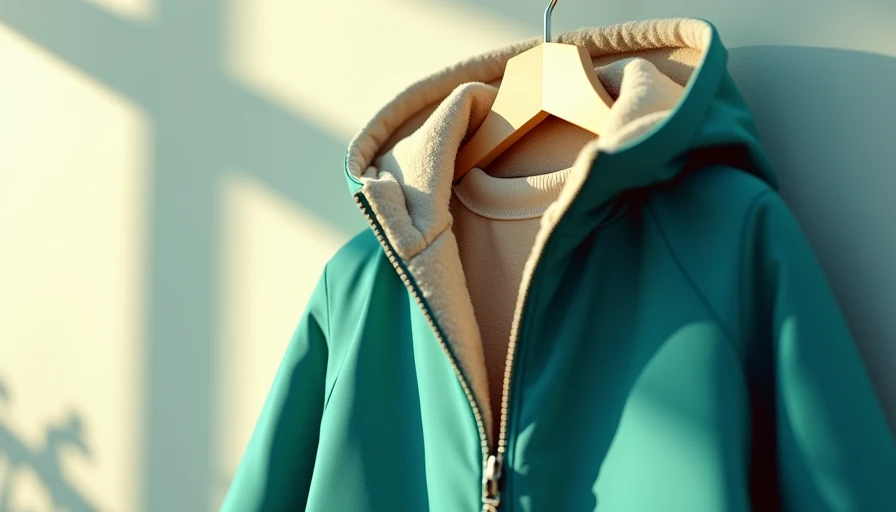
Versatile Bottoms and Tops
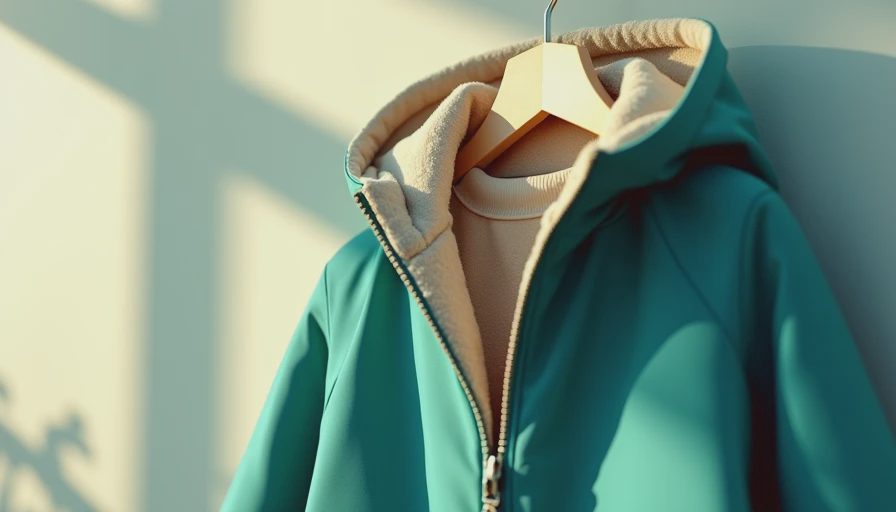
When choosing bottoms, think convertible. Zip-off hiking pants that turn into shorts are a game-changer: they offer coverage for cooler mornings and transition to shorts as the day warms. Similarly, a pair of durable leggings or joggers can be worn under a dress or with a tunic. For tops, a denim jacket or a lightweight hoodie can be the star of any outfit—easily packed, quick-drying, and always stylish. My sister packed one hoodie per child and used it as an extra pillow on the plane, a blanket during a beach picnic, and a layer for a chilly ferry ride. For family vacation outfits for kids that work across different climates, prioritize pieces that can be repurposed in three different ways.
Footwear for Every Adventure
Footwear can make or break a trip. A child who’s comfortable in their shoes is a happy traveler. For trips with varied terrain, bring two pairs per child: a sturdy pair of sneakers or trail shoes for hiking and exploring, and a pair of sandals or water shoes for beaches, pools, or warm evenings. I’ve seen too many kids’ vacations ruined by blisters or wet socks. Look for options that dry quickly—canvas sneakers or synthetic mesh are better than leather. Pro tip: have the child bring an extra pair of socks in their daypack so they can switch if feet get sweaty or damp. This small detail keeps family vacation outfits for kids that work across different climates feeling fresh and functional.
The Power of Accessories
Accessories are unsung heroes. A sun hat with a chin strap protects against UV rays and won’t blow away in the wind. A lightweight scarf or bandana can serve as a sun shield, a neck warmer, or even a makeshift bag. My nephew used his bandana to wipe a spill, tie his hair back, and as a napkin—remember it’s about versatility. Don’t forget a reusable water bottle and a small crossbody bag or backpack for the child to carry their own snacks and treasures. These little additions make the outfits work harder, ensuring the child stays comfortable and independent. And because accessories are small, you can pack several without adding weight.
How to Pack It All
Packing is an art. Start with a color-coordinated capsule: two pairs of pants (one convertible), three tops, a jacket, a pair of pajamas that can double as loungewear, and underwear and socks for the number of days plus one extra. Roll everything tightly to save space and prevent wrinkles. Use packing cubes to separate dirty clothes or to keep layers together. I always suggest packing the child’s favorite outfit—a comforting piece—among the family vacation outfits for kids that work across different climates. It gives them a sense of home when routines are disrupted. And remember: if you forget something, you can usually buy or borrow it. The goal is to travel light so the focus stays on experiences, not the luggage.
Real-World Examples
Consider a trip that includes both a mountain cabin and a beach house. For the cabin, my sister’s kids wore fleece-lined leggings under their jeans and fleece jackets over tees. At the beach, the same tees and jeans were worn with sandals and sun hats. The only change was the outer layer—jacket removed, fleece left behind. Another family I know visited New York City in spring and then drove to the Florida Keys. They packed each child’s capsule in a small carry-on: for NYC, they added a rain jacket and sneakers; for Florida, they swapped in sandals and cotton shorts. The core pieces—solid-colored tees, a denim jacket, and two pairs of pants—stayed the same.
Final Thoughts
Packing for children in variable climates doesn’t require a separate suitcase per child. With thoughtful selection of family vacation outfits for kids that work across different climates, you can create a wardrobe that adapts, lasts, and lets kids be kids—whether they’re building sandcastles in the sun or hunting for shells in a foggy cove. The best outfits are the ones you barely think about because they just work. Wear your story.

No notes yet — be the first to inscribe one.