Weather-Ready Toddler Clothes: Layers, Rain Gear, and the Art of Being Prepared
Last Tuesday, I met my friend Clara and her two-year-old daughter, Lily, at the playground in Brooklyn Bridge Park. The sky was that bruised-gray color that could mean either a quick drizzle or an afternoon downpour. Lily, dressed in a lightweight fleece jacket and tiny rain boots, went straight for the puddles. Clara laughed and said, "Thank goodness I finally figured out weather-ready toddler clothes. Last spring I would have had to drag her home after five minutes." That moment stuck with me because it's exactly the kind of practical wisdom that makes daily life with a small human feel manageable.
When I think about weather-ready toddler clothes, I don't just picture a raincoat. I picture a system—pieces that work together to keep a child comfortable through the unpredictable shifts of a spring day in the city. The playground can be sunny one minute, windy the next, and then suddenly chilly when a cloud passes over. For toddlers, who have less ability to regulate their body temperature, having the right layers isn't a luxury; it's a necessity. And for parents and caregivers, it means fewer meltdowns and more time actually enjoying the outing.
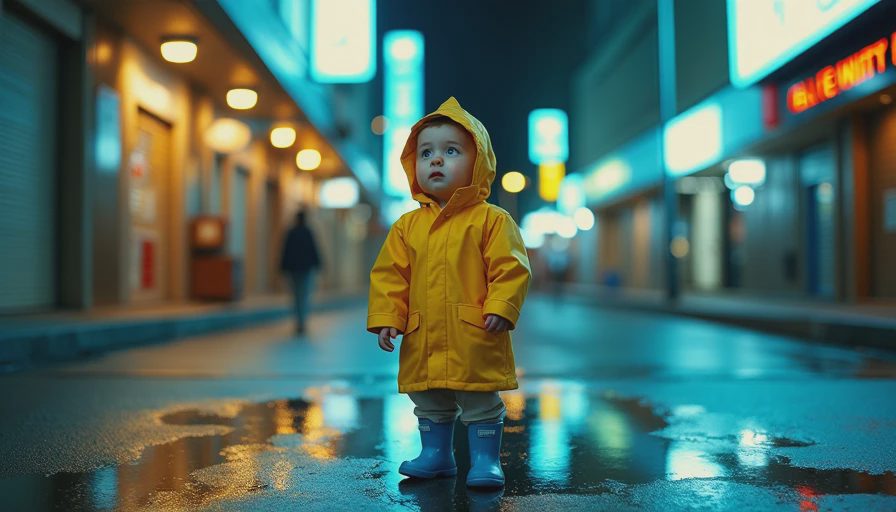
Why Weather-Ready Means More Than a Raincoat
A single heavy coat might be fine for a steady downpour, but most days are more complicated. Weather-ready toddler clothes account for microclimates—the difference between a sunny patch of sidewalk and the shade of a tree, or the contrast between a wind tunnel between buildings and a sheltered corner. The key is base layers and mid layers that can be added or removed without a major production. I've watched Clara master this: she starts Lily in a long-sleeve cotton shirt, adds a merino wool sweater if it's cool, and finishes with a water-resistant shell. The shell is the hero piece because it blocks wind and rain while allowing heat to escape. Without that breathability, a toddler ends up sweaty and miserable under a plastic-y raincoat.
For the base, I recommend avoiding cotton for active toddlers if there's any chance of rain. Cotton stays wet and makes a child cold. Instead, look for thin polyester or wool-blend tops that wick moisture. I found a nearly new merino base layer at a thrift store in Greenpoint for four dollars—it still had the tags. That's the beauty of this category: weather-ready toddler clothes don't have to be expensive. They just need to function well, and families outgrow them so fast that secondhand options are everywhere.
The Layering Puzzle (With Real Examples)
Let me walk you through a specific outfit I put together for Lily last weekend. The forecast said 60 degrees, cloudy, with a 40 percent chance of rain. Here's what she wore: a cotton T-shirt from a garage sale (soft, worn-in), a thin fleece vest from Patagonia's worn wear program (twenty dollars, excellent condition), and a rain jacket from a brand called Tuffo that I found at a consignment shop. On her legs, she had a pair of lined rain pants—also secondhand, from The Children's Place—over leggings. The boots were hand-me-down Bogs, which are sturdy and easy to pull on. The whole outfit cost maybe thirty dollars total, and it worked perfectly. When the sun came out, the vest and shell came off. When the wind picked up, the shell went back on. No tears, no fuss.
What I love about this system is that it's modular. You can swap the fleece for a lightweight puffer if it's colder, or trade the rain pants for canvas pants if it's dry. The core principle is that the outermost layer is always the most weather-adaptive. If you invest in one piece, make it the shell. After that, everything else can be from a thrift store or handed down. I've seen perfectly good toddler rain jackets at Housing Works for eight dollars. They might have a cartoon character on them, but that's part of the fun.
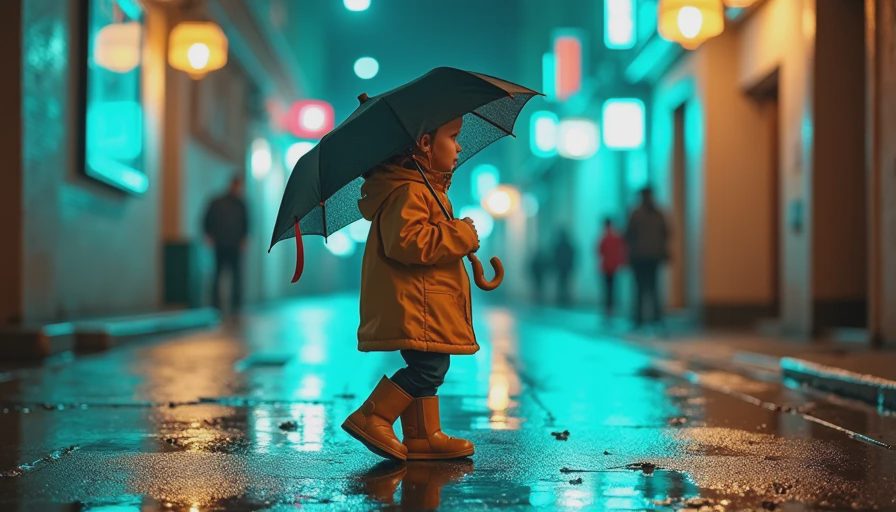
Thrifting Weather-Ready Toddler Clothes
As someone who writes about secondhand living, I get asked all the time: "How do I find good weather gear for my toddler at thrift stores?" My answer is always patience and a good eye for fabric tags. Look for items labeled "water-resistant" or "breathable" on the care tag. Avoid anything that feels plasticky and stiff; that's a sign the waterproof coating has broken down. Check the zippers and seams—these are the first things to fail on a toddler's rain jacket. And don't skip the baby section of every store. I've found like-new Columbia fleece jackets in the 12-month bin for a dollar, even though my friend's child is just turning three. Toddlers grow fast, but they also stay small long enough that a 2T fleece might still work for a while.
Another tip: look for outdoor brands like The North Face, Patagonia, Columbia, and REI at consignment shops and online marketplaces. These brands are built to last, and their toddler sizes are often barely worn because kids outgrow them before they can wear them out. I've also had luck at mom-to-mom sales and neighborhood Facebook groups. One woman in my building gave me a bag of weather-ready toddler clothes for free because her son had moved into size 4T and she wanted the closet space. That bag included a pristine rain jacket and three pairs of fleece-lined leggings.
What I Keep in the Diaper Bag (Weather Edition)
Beyond the outfit itself, I've learned that being truly weather-ready means having backup pieces on hand. In Clara's diaper bag, she always carries: a spare pair of socks (wet socks are the enemy of happiness), a thin wool hat that fits under a hood, a pair of mittens (even in spring, wind can make little hands cold), and a compact stroller blanket. For the bag itself, I swear by a canvas tote with a waterproof lining—found at a flea market in Williamsburg for ten dollars. It holds everything without looking like a diaper bag.
One more thing: sunscreen. Even on cloudy days, UV rays reflect off puddles and pavement. I keep a mineral stick sunscreen in the bag, the kind that goes on clear so a toddler doesn't fight it. It's a small addition, but it makes the weather-ready definition complete.
Final Thoughts: Dressing for the Story of the Day
I think about weather-ready toddler clothes the same way I think about my own wardrobe: as a collection of pieces that let you show up for your day without friction. For a toddler, that day might involve stomping through puddles, chasing pigeons, and eating a snack on a bench while the sun breaks through the clouds. The right clothes don't make those moments happen, but they make them possible. And when your child can stay outside longer because they're comfortable, you get a little more time to breathe, to watch, to remember the small joy of a Brooklyn afternoon.
That's what I love about this corner of getting dressed. It's not about trends or labels. It's about preparation meeting possibility. Whether you're thrifting a Patagonia fleece or passing down a pair of Bogs, you're building a wardrobe that lets a child—and you—live fully in the weather, whatever it brings. Wear your story.

No notes yet — be the first to inscribe one.