The air has that first crisp hint of fall, and my Instagram feed is suddenly full of kindergarten countdowns. Every August, the same question pops up in my DMs from friends and readers: what to buy for kindergarten transition wardrobes? I remember when my niece started kindergarten two years ago. My sister was overwhelmed by the lists — all those tiny socks and waterproof everything. But I think the real answer is simpler than the internet makes it. It's about clothes that let a child run, paint, sit criss-cross-applesauce, and still feel like themselves at the end of the day.
The Layering Equation
Kindergarten classrooms are a mystery of temperature zones. One minute the sun bakes through the window, the next the AC kicks in like a polar vortex. The secret is layers that a kid can take off and put back on without adult help. Look for zip-up hoodies with a little stretch, not the stiff ones that fight tiny arms. I love the Cat & Jack French terry zip hoodie from Target — about $12 and soft enough to sleep in. A lightweight vest is another unsung hero: it keeps the core warm without binding the shoulders. Brands like Primary make simple cotton vests in colors that don't show playground dirt. And don't forget the old faithful: a cardigan with big buttons. My niece had a striped one from Hanna Andersson that she called her "cozy jacket," and she wore it every day for two months straight.

These layers also help with what I call the "transition tantrum" — the moment when a child melts down because they're too hot or too cold and can't fix it themselves. When I was helping my sister shop, I noticed that clothes with large, easy-to-grip zippers and wide neck holes made a huge difference. A hoodie that slides over the head without catching on ears? Gold. I also found that a thin long-sleeve tee under a short-sleeve tee works better than a single thick sweatshirt. It's the same principle as the onion look we adults borrow from hikers, but adapted for five-year-old arms.
Shoes That Mean Business
Shoes for kindergarten are not the time to prioritize cuteness over function. I see so many parents buying little canvas sneakers or ballet flats, and then the teacher sends home a note about blisters on day two. The most important thing is a shoe that stays on. Velcro is your friend — not the cheap kind that wears out in a week, but the serious industrial Velcro on brands like New Balance or Merrell. My niece wore a pair of Merrell Moab Speed sneakers that cost about $45 on sale. They have a wide toe box, good grip, and the Velcro strap goes across the whole instep. She could get them on and off by herself by the second week.
I also advise buying two pairs of everyday shoes. One for the classroom and the playground, another for rainy days or muddy surprises. That second pair can be a simple rain boot — Kamik makes a $25 boot that's easy to pull on — or a hand-me-down pair of athletic shoes that you don't mind getting dirty. Rotating shoes lets each pair dry out overnight, which cuts down on smell and wear. And always size up half a size from what they wear at home. Kids' feet grow in spurts, and a little extra room makes a world of difference when they're running around all day.
Clothes a Five-Year-Old Can Actually Manage
This is the part where practicality meets independence. When you think about what to buy for kindergarten transition wardrobes, ask yourself: can my child put this on alone? Kindergarten teachers are not personal stylists. They have twenty kids to help with lunch boxes and bathroom breaks. So look for elastic waistbands instead of buttons, pullover shirts with wide necks, and pants that don't need to be buttoned and zipped. My favorite find last year was a pack of Organic Cotton joggers from Pact — $30 for three pairs, with a drawstring that even a four-year-old could tighten. They look like real pants, not sweatpants, so they work for school without screaming "pajama day."
Also consider the bathroom factor. Kindergarten is when kids learn to handle zippers and snaps all by themselves. A jumpsuit or overalls may look adorable, but when a child is trying to get to the toilet quickly, those straps become a nightmare. Stick to separates that can be pulled down fast. And if you're buying leggings or tights, make sure the waistband isn't too tight. I once watched my friend's daughter struggle with a pair of tights that had a rubberized grip inside — she cried because she couldn't get them up after using the bathroom. Soft cotton leggings with a simple elastic waistband are the kinder choice.
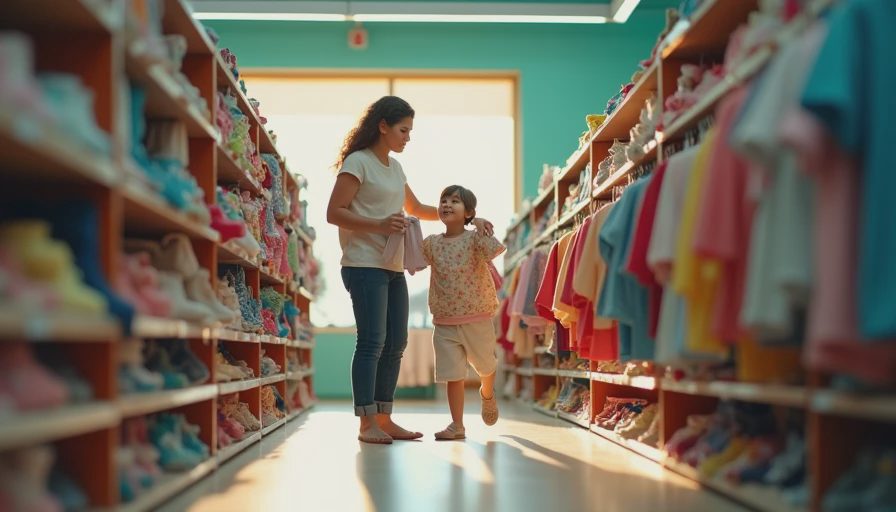
The Emotional Armor of a Favorite Piece
One thing that caught me by surprise when helping my sister prepare was how emotional the wardrobe transition can be. A child who has worn the same type of clothes for years suddenly has to dress for a bigger world. I started noticing that my niece clung to a particular t-shirt with a cat print on it. She wore it every Friday, even when it was too small. That t-shirt was her security blanket in clothing form. So when you buy for the kindergarten transition, don't forget to include one or two pieces that feel like comfort — soft pajama-style joggers, a hoodie in their favorite color, a sweater that reminds them of grandma. Let them choose one item from the shopping trip. My niece picked a pair of rainbow leggings from Target that cost $8. She wore them until they had holes in the knees.
I also suggest creating a small "emergency kit" for the backpack: an extra pair of socks, a spare shirt, and a lightweight pair of pants rolled up. Accidents happen — spilled milk, a muddy puddle, too much fun at recess. Having a backup means the child doesn't have to sit in damp clothes all afternoon. My sister kept a zippered pouch in the bottom of the backpack with a note inside that said "extras." It gave both her and the teacher peace of mind.
What to Skip (and Why)
Not everything on a typical back-to-school list is worth your money. Skip the white uniform shirts that show every drop of juice — go for navy or heather gray instead. Avoid jeans with heavy rivets and hard seams; they rub at the waist when kids sit for long periods. And stay away from any shoe that requires laces unless your child has mastered tying them. Kindergarten teachers will tell you: nothing slows down a line faster than a kid whose shoe came untied. Also, don't buy too far ahead. Kids grow unpredictably. One pair of pants bought in July might be too short by October. Buy for the current season and let the next one take care of itself.
When you really think about what to buy for kindergarten transition wardrobes, the core truth is this: choose pieces that let a child move, play, and feel good about themselves. The first day of kindergarten is a huge milestone. The clothes should support the adventure, not complicate it. My niece walked into that classroom in her rainbow leggings and oversized hoodie, and she came out a different person — more confident, more independent. And her clothes, rumpled and paint-stained, told the story of a year well lived. Wear your story, even when the story is a five-year-old's triumph over a zipper.

No notes yet — be the first to inscribe one.