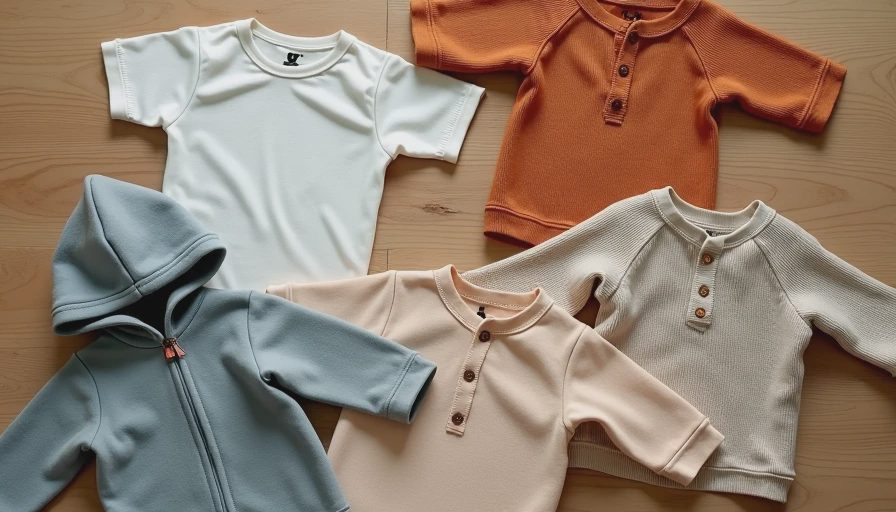
What I Learned About Fabric Quality From Handling Kidswear Returns
Hey friends, it’s Rachel Monroe here — former children’s boutique assistant manager turned exhausted-but-happy mom of two. If there’s one thing I wish I could shout from the rooftops to every parent, it’s this: not all kids clothes are created equal, and the difference almost always comes down to fabric.
During my years in retail, I processed hundreds of returns. Parents would bring back items after one wash, one wear, or one playground trip looking sad and worn out. That experience taught me more about fabric quality than any fashion course ever could.
Cute is nice. Easy is better. But quality that lasts? That’s the real game-changer.
The Return Counter Classroom
Every shift at the boutique felt like a masterclass in what works and what doesn’t. I’d see the same patterns over and over:
Super cheap thin cotton that pilled after two washes
Stiff fabrics that made kids miserable
“Premium” looking pieces that fell apart at the seams
And the rare gems that came back looking almost new after months of hard use
These observations completely changed how I shop for Lily and Noah.
The Best Fabrics I Always Recommend
1. Organic Cotton & Cotton-Blends
Look for medium-weight organic cotton or cotton with a small percentage of modal or spandex. These get softer with every wash, breathe well, and hold up to constant wear.
The best ones feel substantial but not heavy. If it feels paper-thin in the store, it will look like it after three washes.
2. French Terry
This is my absolute favorite for hoodies, sweatshirts, and play dresses. The looped interior feels cozy while the smooth outside resists pilling and stains. It’s breathable but warm enough for Minnesota transitions.
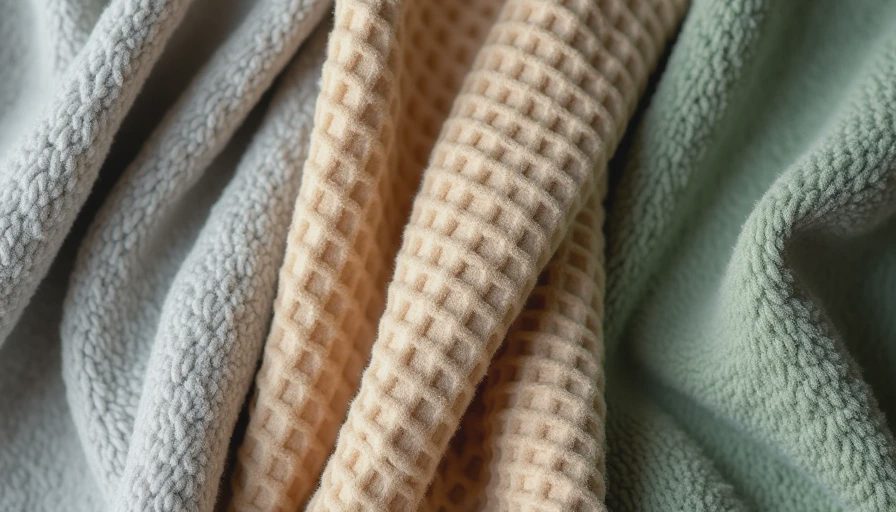
3. Soft Waffle Knit
Perfect for henleys and base layers. The texture adds interest while the fabric is durable and quick-drying. These rarely come back as returns.
4. Brushed Fleece & Sherpa
For mid-layers, choose densely brushed fleece that doesn’t pill easily. Good quality fleece holds its shape and softness through many seasons.
Fabrics I Usually Avoid (or Buy Cheap On Purpose)
Cheap Jersey Knits
The super thin ones that feel slippery. They stretch out quickly and lose shape.
100% Polyester Basics
Unless it’s technical outerwear, pure polyester often feels sweaty and traps odors. I only choose it when I need serious water resistance.
Stiff Denim Without Stretch
For toddlers and young kids, rigid denim is a recipe for complaints. Always look for at least 2-3% spandex.
Low-Quality Synthetics with Heavy Prints
Those super bright cartoon prints on thin fabric often crack or fade fast.
Real Lessons From the Return Pile
The biggest surprise? Price didn’t always predict quality. Some mid-range brands had fantastic fabrics while certain “premium” ones used disappointing materials to hit their margin.
One mom returned a beautiful-looking sweater three times in one month. The fabric pilled so badly it looked like it had been through a snowstorm. Another mom brought back a $12 pack of tees from Target that still looked great after six months of heavy use by her very active son.
That’s when I started paying attention to fabric weight, weave tightness, and fiber content instead of brand names.
How I Test Fabric Quality in Stores
Here’s my quick hands-on test:
Feel the weight — Good kids clothes feel substantial but not stiff.
Stretch test — Gently pull. It should recover shape without staying stretched.
Seam check — Look for reinforced or flat seams, especially at knees and elbows.
Wash test in my head — Will this survive hot water, frequent drying, and stain treatment?
Skin test — Rub it against your inner arm. If it feels itchy to you, it’ll bother your child.
How This Knowledge Changed Our Closet
When I started applying these lessons at home, our clothing lasted longer, morning battles decreased, and I spent less money overall. Noah’s favorite French terry hoodies have survived two full seasons of toddler destruction. Lily’s waffle knit tops still look nice after countless washes.
I now buy fewer pieces but better ones. Instead of replacing pilled tees every season, I invest in quality basics that get softer and better with time.
Practical Shopping Tips
Check the care label — if it says “hand wash only,” it’s probably not practical.
Feel inside the garment too. Softness against skin matters most.
Look for OEKO-TEX or GOTS certification for safer, higher-quality fabrics.
Buy slightly bigger when possible — quality fabric holds shape better during growth spurts.
Consignment score: Gently used high-quality pieces often feel even better than new.
What Working With Returns Taught Me About Parents
Parents aren’t lazy or unrealistic. They’re busy and want clothes that work. When something falls apart quickly, it creates more work and frustration. Good fabric reduces that stress.
I also learned that many parents don’t realize how much difference fabric makes until they experience it. That’s why I’m sharing these lessons here.
Final Thoughts
Fabric quality isn’t about being fancy or expensive. It’s about respecting the reality of raising active, messy, growing children. Choosing better fabrics means fewer meltdowns, less laundry drama, and clothes that actually make it through a full season.
Pretty is great. Repeatable is better. And durable, soft, breathable fabric makes both possible.
Next time you’re shopping, take an extra minute to really feel the fabric. Your future self (and your washing machine) will thank you.
No notes yet — be the first to inscribe one.