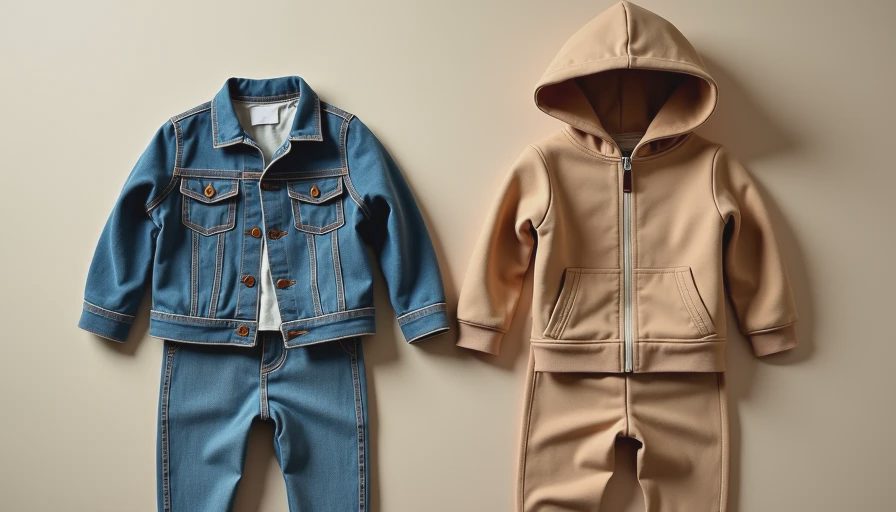
There’s something undeniably cute about seeing a little kid dressed like a tiny version of their parent. The little blazers, tiny jeans with real pockets, miniature button-downs — they make for great photos. But after working in children’s retail and raising Lily (6) and Noah (3), I’ve become much more selective. Most days, I steer clear of true “mini adult” clothes.
“Cute is nice. Easy is better.” And mini adult styles often prioritize the cute over the easy — sometimes at the expense of how kids actually live.
What “Mini Adult” Really Means
I define mini adult clothes as pieces that directly copy grown-up trends: structured blazers, skinny jeans, dressy button-ups with collars that itch, stiff fabrics, or overly tailored fits. They’re designed to look fashion-forward rather than function for playgrounds, snack time, or sudden weather shifts in Minneapolis.
I’m not against looking nice. I just want the clothes to serve my kids’ real lives first.
The Biggest Problems I’ve Seen
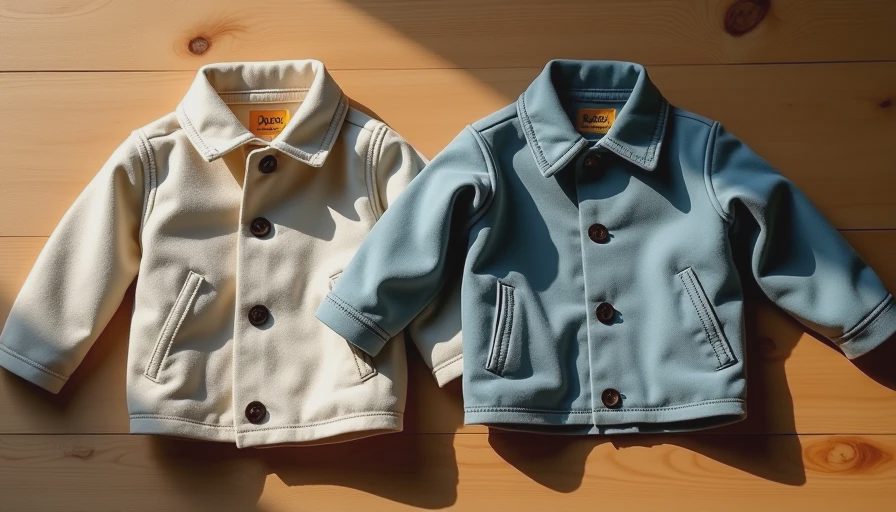
1. Comfort Issues
Kids’ skin is more sensitive. Stiff denim, tight waistbands, scratchy tags, and non-breathable fabrics lead to constant tugging and complaints. Noah once refused to wear a cute corduroy jacket because the collar rubbed his neck. We changed him within ten minutes.
2. Durability Problems
Mini adult styles often use lighter, more delicate fabrics to achieve that polished look. These don’t hold up well to crawling, climbing, or spontaneous muddy adventures. I’ve seen too many ripped seams and faded prints after just a few wears.
3. Movement Restriction
Real kids run, squat, climb, and fall. Tailored pants and fitted tops can limit natural movement. Lily once told me her “fancy jeans” made it hard to play tag at recess.
4. Fast Outgrowing
These trendier pieces often have less stretch and fewer adjustment features. Kids grow in unpredictable ways — sometimes length first, sometimes width. A pair of rigid mini adult jeans might only fit for a couple of months.
What I Buy Instead: Kid-First Design
I look for clothes that are inspired by adult styles but designed for children:
Soft stretchy denim with generous cuts instead of rigid skinny jeans
Knit “sweater” blazers with movement instead of structured wool ones
Polo shirts with soft collars instead of stiff button-downs
Dresses with built-in shorts or leggings underneath for active play
These pieces still photograph beautifully but don’t cause drama when it’s time to actually wear them.
Real-Life Examples from Our Family
Last fall, I almost bought Lily a miniature trench coat that looked straight out of an adult catalog. It was beautiful — camel color, belted, very chic. But when I thought about her running around the playground in it, I realized it would be impractical. Instead, I got her a soft twill jacket with a hood and room to layer. She’s worn it dozens of times and still loves it.
For Noah, I skipped the tiny flannel button-downs with chest pockets. He gets soft, brushed cotton shirts that look somewhat similar but feel like pajamas to him. He actually keeps them on all day.
When I Do Make Exceptions
I’m not completely against mini adult styles. I make exceptions for:
Family photos or special events (one or two pieces max)
Older kids who specifically request them and understand the trade-offs
Items that happen to have great stretch and soft fabrics despite the look
Even then, I always test them at home first for a full day before the big occasion.
The Photo Cute vs Life Cute Balance
This ties back to one of my core beliefs. Some clothes are “photo cute” — they look perfect for 15 minutes. Others are “life cute” — they make everyday moments better.
I want more life cute in our closet. The mini adult trend often pushes us toward photo cute at a higher cost and lower practicality.
Practical Shopping Guidelines I Follow
Stretch Test — If it doesn’t have at least 5-10% stretch, I usually pass.
Sit Test — I make kids sit, squat, and reach in the dressing room.
Fabric Feel — I rub it against my own neck and inner arm. If it’s itchy for me, it’s a no.
Wash Test — I check care labels. If it needs special washing, it’s probably not daily wear material.
Movement Check — Can they run in it? Climb stairs? Play on the floor?
Benefits I’ve Noticed Since Shifting Away
Fewer meltdowns during dressing
Clothes last longer through multiple seasons and kids
Easier mornings — the kids are more cooperative
Lower spending because pieces get worn repeatedly
More genuine smiles in everyday photos (not just forced ones)
My kids still look adorable. They just look like comfortable, happy kids instead of tiny fashion models.
The pressure to dress kids like miniature adults is strong, especially on social media. But I’ve found much more peace (and better value) by choosing clothes made for real childhood instead of adult aesthetics.
What about you? Have you bought mini adult styles that didn’t work out? Or found great kid-friendly alternatives? I’d love to hear your experiences in the comments.
No notes yet — be the first to inscribe one.