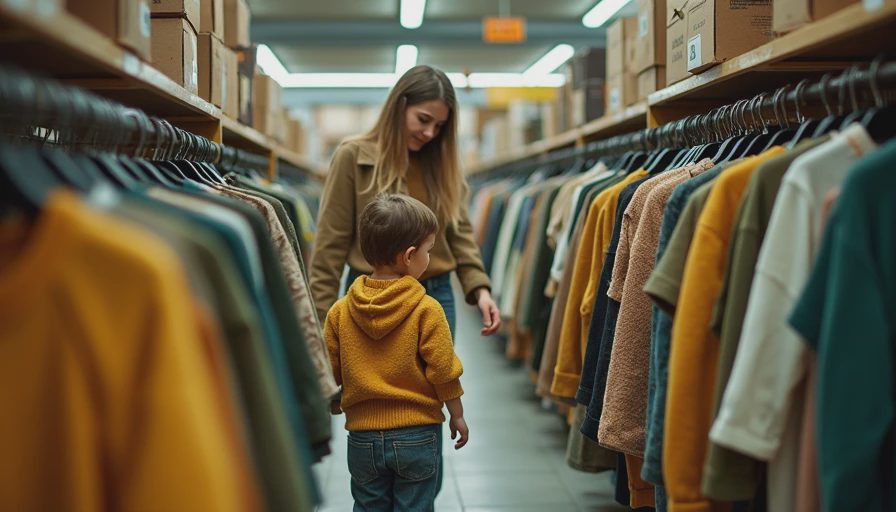
I remember standing in my friend Sarah’s hallway last fall, staring at a garbage bag stuffed with her son’s outgrown T-shirts. “He wore this maybe three times,” she said, holding up a cartoon dinosaur print that still looked brand new. That bag was headed to Goodwill—but thousands of similar bags end up in landfills every year. The truth is, kids outgrow clothes so fast that the whole cycle of buying new, wearing a few times, and tossing feels almost inevitable. But it doesn’t have to be. **Avoiding fast fashion waste in kids clothing through smarter buying** is not only possible—it’s easier (and cheaper) than you think. Over the past few years, I’ve helped a handful of parent friends rethink their approach, and I want to share what I’ve learned from watching them shop, swap, and save.
The Problem with Fast Fashion for Kids
Walk into any big-box store and you’ll see racks of $8 leggings and $12 hoodies. The price is tempting, especially when you know your toddler will stain or rip them within a month. But that low price hides a huge environmental cost. According to the EPA, textiles make up about 5% of landfill waste, and children’s clothing is a major contributor because it’s replaced so often. The synthetic fabrics used in fast fashion—polyester, nylon, acrylic—don’t biodegrade. They sit in the ground for hundreds of years. And the production process guzzles water and releases microplastics into our oceans. When we buy cheap kids clothes without thinking, we’re essentially paying a small amount today and passing a much larger bill to the planet tomorrow.
But there’s another cost too: the cost to your wallet. A fast fashion outfit might be $10, but if you’re buying ten of them over a season because they fall apart or your child grows, you’ve spent $100 on clothes that didn’t last. Meanwhile, a well-made pair of organic cotton pants from a secondhand shop might cost $8 and last through two children. The math doesn’t lie.
A Smarter Buying Strategy: Quality, Secondhand, and Planning
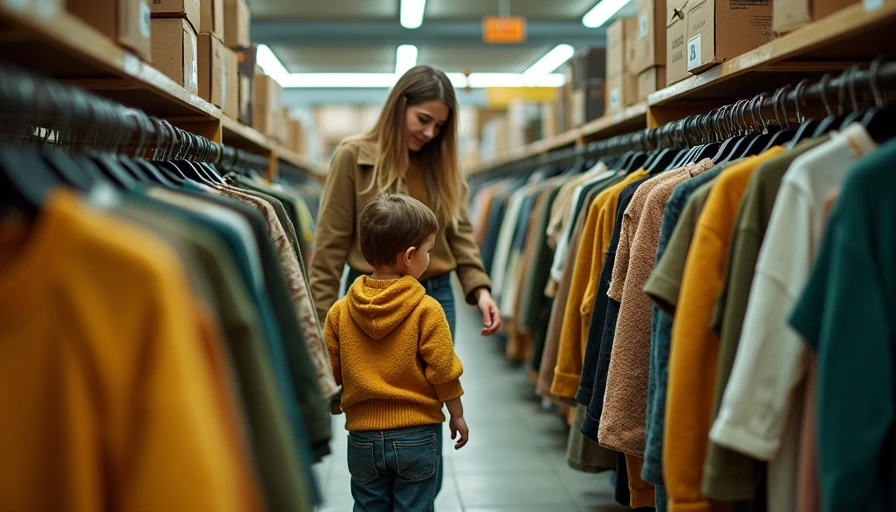
So what does smarter buying look like in practice? For the parents I’ve observed, it starts with a mindset shift: instead of buying for the moment, buy for the long game—even if the “long game” is only the next six months of growth. Here are the three pillars I’ve seen work.
**1. Prioritize quality over quantity.** Look for sturdy seams, natural fibers (cotton, linen, wool), and classic styles that won’t look dated in a year. Brands like Hanna Andersson, Patagonia, and Mini Boden hold up well and have strong resale value. You can find them secondhand for a fraction of retail.
**2. Buy secondhand first.** Thrift stores, consignment shops, and online platforms like ThredUp, Kidizen, and Facebook Marketplace are gold mines. I once found a bundle of six Hanna Andersson pajamas at a Brooklyn thrift shop for $12—they had barely any pilling and probably cost $200 new. **Avoiding fast fashion waste in kids clothing through smarter buying** often means avoiding the new-aisle altogether.
**3. Plan ahead for growth spurts.** Buy a size or two up when you see a good deal on a timeless item. If your child is in size 2T now, grab a few 3T sweaters or jeans on clearance or at a consignment sale. Store them in a labeled bin. When the growth spurt hits, you’ll have a ready-to-wear wardrobe without a frantic trip to the mall.
Where to Find Quality Kids Clothes Secondhand
I’ve spent many Saturday mornings poking through bins and racks, and I’ve mapped out the best spots in and around Brooklyn. But the same principles apply anywhere.
- **Local thrift stores and consignment shops:** Chains like Once Upon a Child or local boutiques often curate for condition and brands. I’ve scored Gap and Old Navy basics for $2–$4 each at a shop in Park Slope.
- **Online resale platforms:** ThredUp has a dedicated kids section with filters for size, brand, and condition. Kidizen is like a curated Etsy for kids clothes—you can follow sellers whose style you trust.
- **Buy-nothing groups and clothing swaps:** On Facebook or local apps like Nextdoor, parents often give away bags of outgrown clothes for free. I know a mom who hasn’t bought a single item of clothing for her two-year-old in a year—she just swaps with three other families in her building.
- **Garage sales and church bazaars:** Especially in suburban areas, you can negotiate bundles. I once got a full winter wardrobe for a toddler—coat, boots, sweaters, jeans—for $25 at a yard sale in Ulster County.
Making It Last: Care and Rotation
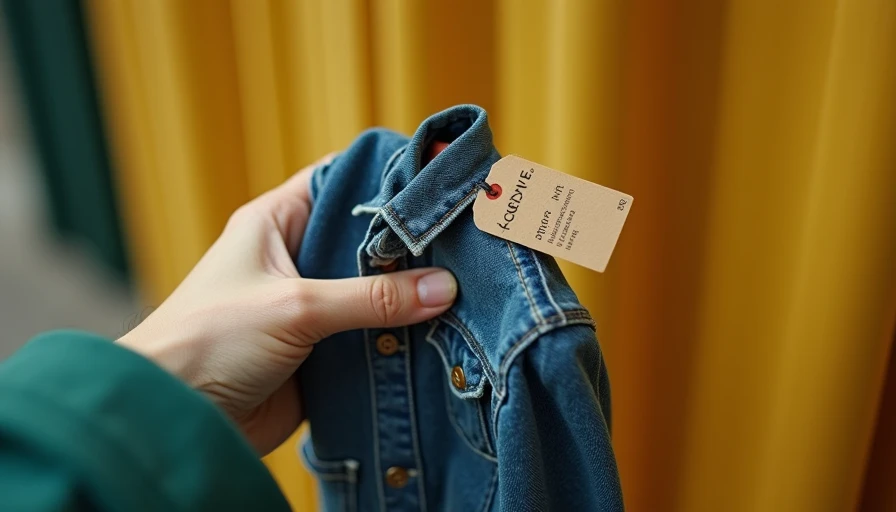
Even the best quality clothes won’t last if you don’t take care of them. **Avoiding fast fashion waste in kids clothing through smarter buying** doesn’t end at the purchase—it continues with how you treat the clothes. A few simple habits: wash in cold water to preserve fibers and prevent shrinking, hang dry when possible (or use low heat), and mend small tears or missing buttons right away. I carry a small sewing kit in my bag for quick fixes on the go.
Also, practice wardrobe rotation. At the start of each season, pull out the bin for the next size and take inventory. Let your child help choose outfits—it builds their sense of style and ownership, and they’re less likely to stain something they picked out. When an item is outgrown, pass it on immediately to a friend, a swap group, or a consignment shop. Don’t let it sit in a box for years; keep the cycle moving.
The Ripple Effect: Global and Personal
Every time we choose a secondhand onesie over a plastic-packaged new one, we’re voting for a different kind of economy. We’re saying that clothes should be worn, not wasted. We’re teaching our kids that value isn’t about how new something is—it’s about the story it carries. My friend Sarah now has a bin system with three families in her neighborhood. They pass clothes around like a river, and nobody has bought a single new T-shirt in two years. That’s the power of community.
Last week, I watched her daughter pull a floral dress from the swap bin and twirl in the kitchen. “This was Lily’s,” she said proudly. The dress had a small patch on the sleeve that Sarah had stitched herself. It was beautiful. It had a story. And it cost exactly zero dollars in new waste.
**Wear your story.**

No notes yet — be the first to inscribe one.