I found them in a brown paper bag at the bottom of a bin at the Housing Works thrift store on Atlantic Avenue. A whole bundle of comfortable preschooler clothes, neatly folded like someone had packed them for a weekend trip, then never came back. The cotton was soft from years of washing, the kind of soft you can't buy new. I was there looking for a winter coat for myself, but I couldn't resist the tiny striped shirts and elastic-waist pants. My friend's son, Leo, was about to start preschool, and his mom had been complaining about how hard it was to find comfortable preschooler clothes that didn't cost a fortune. So I scooped up the whole lot: twelve pieces for fourteen dollars.
When I brought them over to her apartment in Crown Heights, she laughed. "First rule of parenting: never turn down free clothes." But she was genuinely surprised at the quality. The fabric tags were mostly Carter's and a few pieces from Hanna Andersson. That's the thing about comfortable preschooler clothes — you can feel it in the seams and the weight of the fabric. Cheap ones feel stiff; these felt like something that had been lived in, which is exactly what a kid needs.
Over the next few weeks, I started noticing how often the topic came up. At the playground, at a birthday party in Prospect Park, moms comparing notes on where to find comfortable preschooler clothes that could survive a week of finger painting and snack spills. The consensus was the same: it's not easy. Big-box stores sell mountains of options, but the quality is hit or miss. And specialty brands charge a premium that doesn't make sense for something a child will outgrow in a season.
That's how I ended up down a rabbit hole of thrifting for kids. I became the designated secondhand scout for Leo and a few other Brooklyn toddlers. And I learned a lot about what makes comfortable preschooler clothes actually comfortable — and how to find them without spending a paycheck.
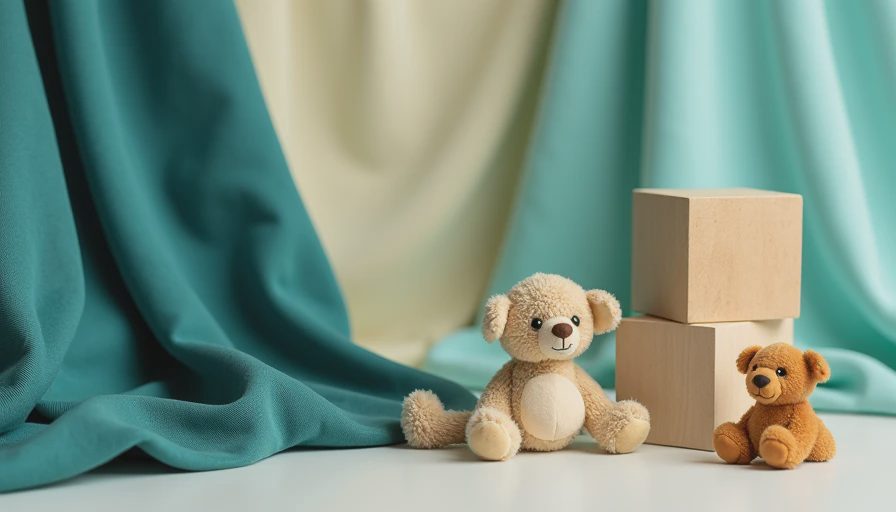
What to Look for in Comfortable Preschooler Clothes
The first thing to check is the fabric. Cotton jersey is your friend — it breathes, it stretches, and it softens with every wash. Avoid anything with polyester linings or rough seams. Run your hand inside the garment: if there's a scratchy label, choose something else. Many brands now print tagless information directly on the fabric, which is a huge plus for sensitive skin.
Next, look at the pants. Elastic waistbands are non-negotiable for preschool comfort. Button or snap closures are fine for decorative purposes, but a preschooler should be able to pull up their own pants after using the bathroom. Check the waistband tension — too tight leaves red marks, too loose leads to sagging. A good pair of comfortable preschooler clothes will have a wide, soft elastic that doesn't dig in.
Don't forget about ease of dressing. Snap closures on bodysuits and one-piece outfits should be sturdy but not impossible to fasten. Zippers need to glide smoothly without catching. And avoid anything that requires ironing — preschoolers don't have time for that, and neither should you.
Brands That I Trust for Softness and Durability
Through my thrifting adventures, I've come to recognize a few brands that consistently show up with good quality. Carter's is everywhere and for good reason: their cotton holds up, and their sizing is reliable. Hanna Andersson is pricier new, but their pajamas and leggings are legendary for softness and lasting through many washes. Primary makes simple, solid-color pieces that mix and match easily — great for building a capsule wardrobe. And then there are the hidden gems like Kickee Pants and Tea Collection, which show up in thrift stores often enough to keep me checking.
When you find these brands in good condition, grab them. Even if the size is a bit big, you can roll cuffs or fold waistbands. Comfortable preschooler clothes don't have to fit perfectly right now — they'll grow into them.
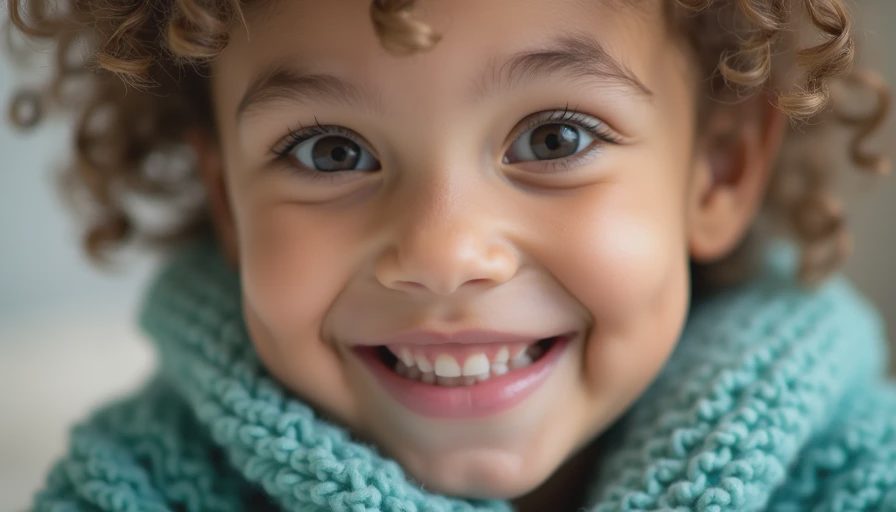
How to Care for Secondhand Kid's Clothes
Once you bring home your thrifted finds, give them a good wash before they go into rotation. Use a gentle, fragrance-free detergent — nothing fancy. For stains, a paste of baking soda and water left on for an hour before washing works wonders. Avoid fabric softeners; they can break down the elasticity in waistbands and leave a residue that irritates skin. Instead, add a half cup of white vinegar to the rinse cycle — it removes odor and softens fabric naturally.
Why Thrifting Is the Smartest Way to Shop for Preschoolers
Here's the math: a child wears a size for about six months, sometimes less. New comfortable preschooler clothes from specialty brands can cost $15 to $30 per piece. At a thrift store, the same brand often costs $3 to $5. Over the course of growing from 2T to 4T, that adds up to hundreds of dollars saved. Plus, you're keeping clothes out of landfills and giving them a second life. That's a story worth wearing.
And it's not just about money. When Leo wears the striped shirt I found, I love imagining the child who wore it before him — maybe they had a favorite snack, maybe they wore it on a trip to the zoo. Those clothes carry a history, and that's something new ones can't offer.
Building a Capsule Wardrobe from Thrifted Finds
To make it easier, I started setting aside basics: five long-sleeve shirts, five short-sleeve, three pairs of pants, two pairs of shorts, and a couple of sweaters or hoodies. All in neutral or mixable colors — blues, greens, grays, and the occasional stripe. When you find a piece that fits, buy it, even if it means letting go of something else. Comfortable preschooler clothes work best when they're easy to grab and go.
Wear your story.
Whether it's a tiny sweater from a Brooklyn thrift or a hand-me-down from a cousin, every piece tells a story. And for a preschooler, the story is about being free to move, to climb, to paint, and to nap — all while wearing something that feels like a hug. That's the real definition of comfortable preschooler clothes.
No notes yet — be the first to inscribe one.