What Kids Actually Wear All Week: A Real-Life Look at the Clothes They Choose
I spent last Tuesday watching my five-year-old niece, Ellie, get dressed for preschool. Her mother had laid out a perfectly coordinated outfit: a soft pink sweater with a matching floral skirt, white tights, and glittery sneakers. Ellie took one look, pushed everything aside, and emerged from her room wearing a faded T-rex t-shirt, purple leggings with a hole in one knee, and rain boots—even though the forecast was clear. I wasn't surprised. After years of observing the kids in my Brooklyn neighborhood and the children of friends, I've learned what kids actually wear all week rarely matches the Pinterest board.
If you're a parent, aunt, or just someone who spends time around children, you've seen it too. The carefully chosen outfit gets rejected in favor of something that looks like it survived a yard sale and a mud fight. But there's a logic to it. Kids have their own sense of style—one that prioritizes comfort, memory, and autonomy over adult notions of what's presentable. This essay is about those choices: the t-shirts that hold stories, the pants that feel like a second skin, and the accessories that carry meaning.
The Morning Battle
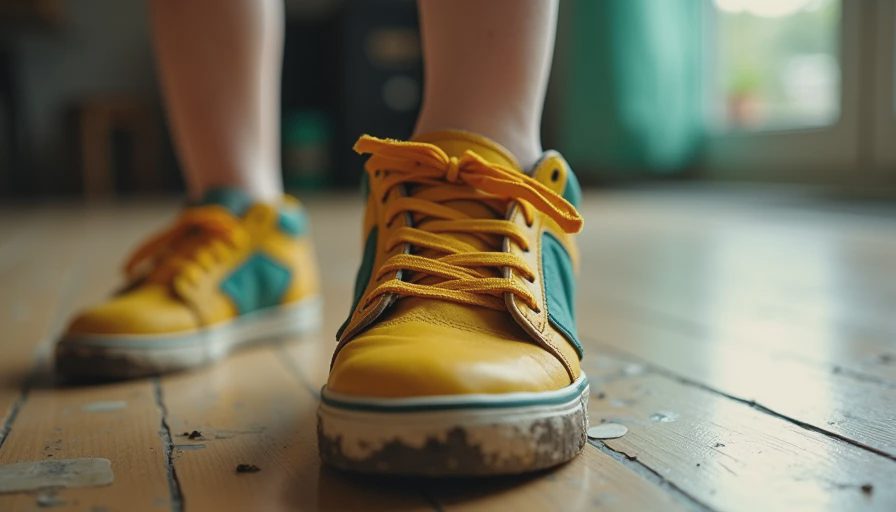
It starts the night before. Many parents lay out clothes in a bid for morning efficiency. I've watched my sister-in-law fold a striped shirt and corduroy pants with the precision of a department store display. By 7 a.m., that shirt is on the floor, and Ellie is pulling out a sundress—in February. The battle is not about weather; it's about control. Kids have so few choices in their day. What they put on their own bodies is one of the first ways they assert independence. The clothing they actually gravitate toward often has a tactile quality: soft cotton, familiar seams, or an inside-out tag that scratches just right. The items that win are the ones that don't fight back.
The Repeats That Win
Every parent knows the "uniform": a specific pair of jeans worn three days in a row, a sweatshirt that's been washed so many times the print is cracking, or a pair of sneakers held together by duct tape. What kids actually wear all week tends to follow a pattern of repetition. It's not laziness—it's ritual. I remember from my own childhood a pair of green corduroys that I wore every single day for a month. They were soft, the pockets held my treasures, and they smelled like home. For kids, a garment becomes a security object. My friend's seven-year-old son refuses to wear anything but a blue hoodie he got at a tag sale. He calls it his "lucky skin." The repetition makes the outside world feel manageable.
Interestingly, these favorite items often come from secondhand sources. Hand-me-downs, thrift store finds, or older sibling castoffs carry a kind of authenticity. They've already been lived in. That worn-in quality is exactly what kids crave. A stiff new shirt from a department store doesn't have the same story as a t-shirt that belonged to a cousin or came from a flea market.
The Thrift Connection
Brooklyn thrift shops are goldmines for kidswear. I've pulled vintage band tees, corduroy overalls, and Patagonia fleeces from bins at L Train Vintage and Buffalo Exchange. The key is looking for natural fibers that soften over time, and pieces with interesting details—a mismatched button, a faint embroidered flower. Kids don't care about logos; they care about how something feels and what it reminds them of. When Ellie found a denim jacket with a frayed hem, she wore it for an entire weekend, refusing to take it off even to eat spaghetti. It had, in her words, "a story in the threads." That's the language of clothing I understand.
Building a Wardrobe That Works
One approach that many parents find helpful is a capsule wardrobe: a limited selection of mix-and-match pieces that all coordinate. Instead of a closet full of options that overwhelm, curate about 15–20 items that cover a week's worth of outfits. Include a few bottoms (jeans, leggings, shorts), several tops (favorite tees, a hoodie, a button-up), one dress or romper, a jacket, and comfortable shoes. The trick is to involve your child in choosing them. When kids have a say in the initial selection, they're more likely to reach for those items daily. I've seen this work with my neighbor's twins: they each picked five t-shirts from a thrift store haul, and now they cycle through those same shirts every week, barely touching the new ones from the mall. What kids actually wear all week becomes predictable when the wardrobe reflects their own taste. And because the pieces are limited, laundry stays manageable—a win for everyone.
Why Their Choices Matter
There's a temptation to dismiss what kids put on as mismatched or impractical. But what kids actually wear all week is a window into their inner world. The costume-like outfits, the combination of three patterns, the accessory overload—these are experiments in identity. A cape is not just a cape; it's a declaration. A tutu over jeans is a negotiation between comfort and fantasy. When we honor their choices, even the baffling ones, we teach them that their opinions hold weight. The outfit doesn't have to be beautiful by adult standards. It just has to be theirs.
So next time you see a child in a firefighter helmet and beach flip-flops in November, remember: they're not dressing for the weather or the aesthetic. They're dressing for the story they want to tell. And if we pay attention, we might learn something about how we choose our own clothes, too.
Wear your story.

No notes yet — be the first to inscribe one.