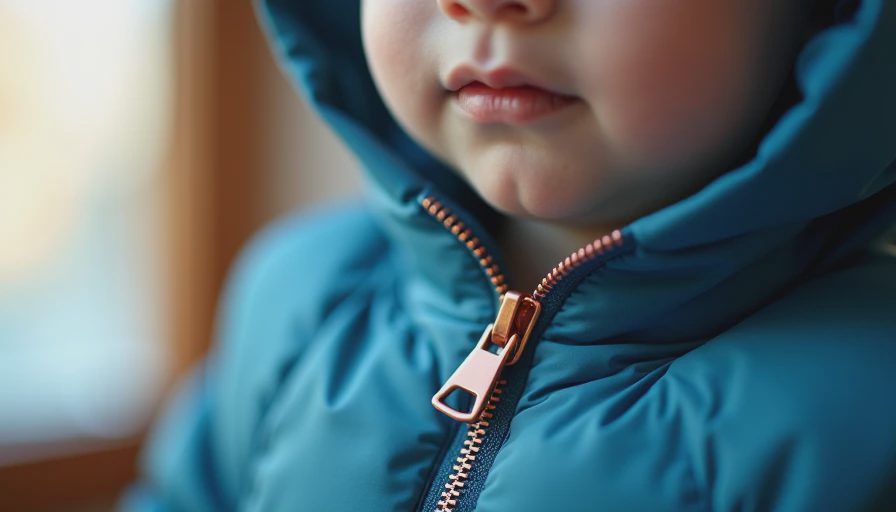
I found myself standing in the middle of a Brooklyn thrift store last fall, holding up a tiny down jacket that looked like it had been through a few winters. The price tag said $8, and I almost tossed it back. But then I ran my fingers along the zipper—a YKK with chunky metal teeth—and gave the snaps a firm tug. They held. That jacket has now been through three rough-and-tumble seasons with my nephew, and the zipper still glides like butter. Learning how to spot quality zippers and snaps in kids clothing is one of those skills that saves you money, reduces waste, and keeps a child bundled up without tantrums. It’s not hard, but it does require a little know-how.
Why Zippers and Snaps Matter More Than You Think
Kids are hard on clothes. They twist, pull, and yank at fasteners with the enthusiasm of a tiny demolition crew. A cheap zipper that gets stuck halfway up a snowsuit can turn a morning into a meltdown. Snaps that pop open the first time a toddler bends over mean you’re constantly refastening—or losing mittens. More than frustration, poor-quality fasteners are a sign that the whole garment is likely made to a low standard, destined for the landfill after a few wears. When you buy secondhand—and I almost always do—knowing how to spot quality zippers and snaps in kids clothing helps you pick pieces that will last through multiple kids. It’s the difference between a coat that becomes a hand-me-down and one that becomes trash.
What to Look For in a Zipper
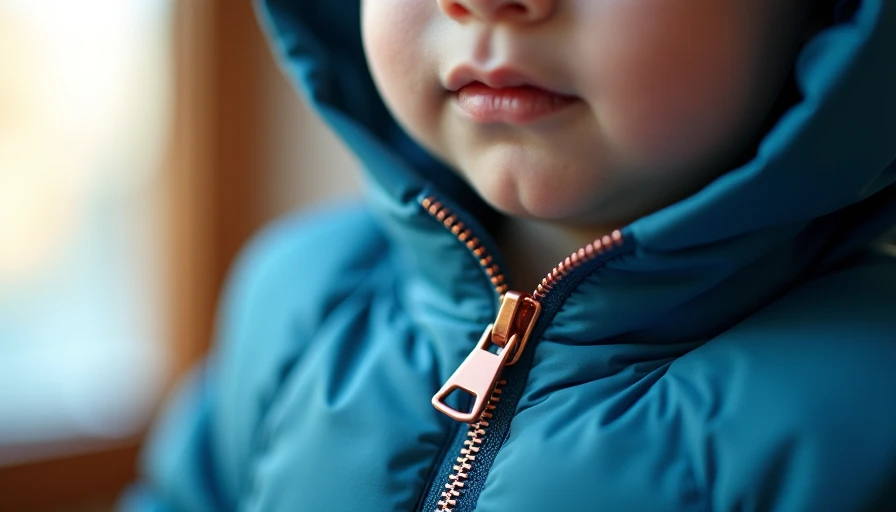
The zipper is the backbone of any jacket, hoodie, or snowsuit. Start by checking the brand. YKK is the gold standard—you’ll see it stamped on the pull tab or the back of the zipper tape. Other reliable names include Talon, Riri, and Opti. If there’s no brand, or a generic “made in China” with no markings, be cautious. Next, look at the teeth. Metal teeth (brass or nickel) are almost always sturdier than plastic, especially for heavy-duty items like winter coats. But plastic coils can be fine if they’re thick and smoothly interlocking. Run the zipper up and down a few times. It should move without hesitation, not catch or skip. Pay attention to the top stop and bottom stop—they should be securely crimped, not loose. On a thrifted piece, also check that the zipper track isn’t stretched or wavy, which means it’s been overstressed. And don’t forget the pull tab: it should be large enough for little fingers to grip easily. A broken tab can turn a good zipper into a useless one.
Snap Test: The Signs of a Good Snap
Snaps come in two main types: pronged (the traditional kind with four holes) and ring-lock (often used in outdoor gear). Pronged snaps, when well made, require a distinct “pop” sound when they separate—not a weak release. To test them, give a firm tug from different angles. They should hold tight without any give. Look for the metal thickness; thin, flimsy snaps will bend over time. Many high-quality kids’ brands like Patagonia or Columbia use YKK or Dritz brand snaps that are reinforced. Another telltale sign is the fabric around the snap. If the material is puckered or there’s fraying, the snap was likely pressed on incorrectly and may fail quickly. For a quick field test, try to pull the snap apart with one hand. If it comes undone too easily, it’s a no. A good snap should feel almost too strong for an adult to open, yet a child can manage with practice. Learning how to spot quality zippers and snaps in kids clothing means doing this quick check on every single fastener before you buy.
Where to Find Quality Kids Clothing with Durable Fasteners
Thrift stores and consignment shops are my go-to. Brands like Hanna Andersson, L.L.Bean, Patagonia, and Mini Boden often have excellent zippers and snaps that survive several washes. At a recent estate sale in Park Slope, I found a stack of Boden jumpers—all with heavy-duty plastic snaps that still felt tight. On Poshmark and eBay, you can search for these brands specifically. When you’re buying new, avoid the ultra-cheap fast-fashion lines that cut corners on hardware. Instead, look for children’s clothing from companies that also make outdoor gear—they understand the stress a zipper endures. And if you’re handy, you can even replace a worn zipper with a new YKK one from a sewing supply store; it’s a small investment that extends a garment’s life by years.
The Quiet Joy of a Garment That Holds Together
There’s a deep satisfaction in handing down a coat that still buttons and zips like new. It means you bought well, cared for it, and maybe saved a few dollars along the way. Every time I see my nephew yank that thrifted jacket’s zipper with one hand, and it works perfectly, I feel a little proud. Knowing how to spot quality zippers and snaps in kids clothing is one of those quiet skills that turns a simple purchase into a story. And that’s what I love most about the hunt—finding a piece that will be worn and loved, not just tossed aside.
*Wear your story.*

No notes yet — be the first to inscribe one.