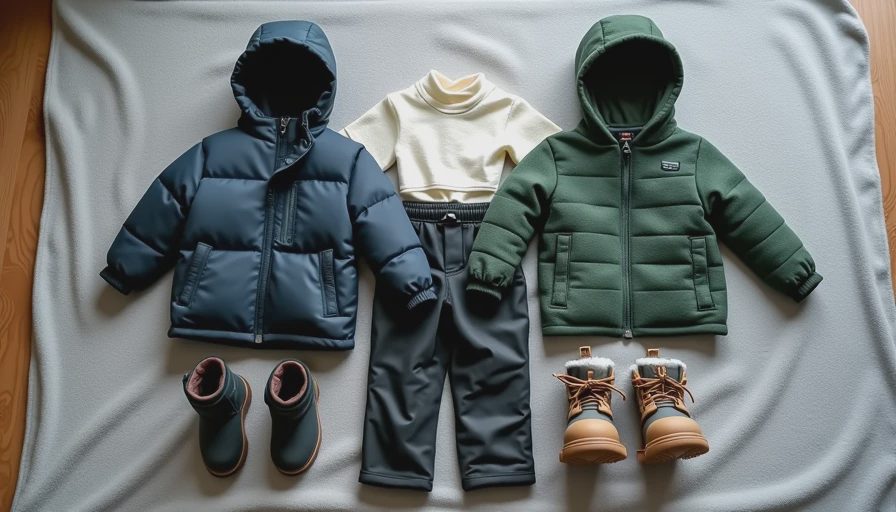
Living in Minneapolis means snow days are a regular part of winter life with kids. But if your child hates feeling like a marshmallow in a puffy snowsuit, you’re not alone. Lily (6) has always run hot and refused anything that restricted her arms. Noah (3) just wants to move freely when he’s sledding or building snow forts.
After years of trial and error — and plenty of tears on cold mornings — I’ve figured out systems that actually work. The goal isn’t to make them look like catalog models. It’s to keep them warm, dry, and happy enough to enjoy the snow instead of begging to go back inside after ten minutes.
“Cute is nice. Easy is better.” Especially when snow is involved.
Why Traditional Snowsuits Often Fail
Most one-piece snowsuits look adorable in photos but fail in real life. They’re hard to get on and off (especially for potty emergencies), trap heat unevenly, and make kids look — and feel — like they can’t bend. Once kids start sweating inside them, they get cold fast when they stop moving.
I learned this the hard way during Noah’s first real snow day. He lasted 25 minutes before crying to come in because the suit was too bulky and his hands were cold despite the mittens.
The Layering Philosophy That Works for Us
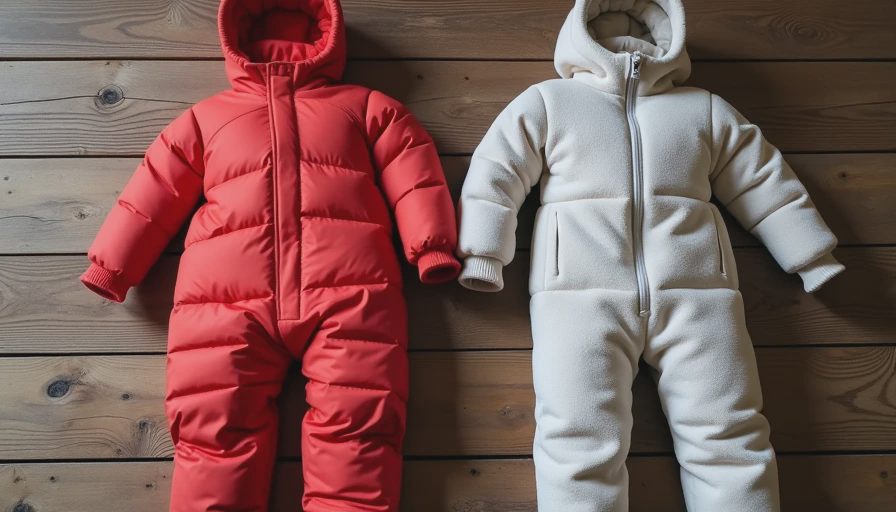
Instead of one big bulky piece, I use a smart 3–4 layer system that’s flexible and easy to adjust. Here’s exactly what we do:
Base Layer: Moisture-Wicking and Breathable
Start with thin, soft merino wool or synthetic base layers. These pull sweat away from the skin so kids stay dry even when they’re running around.
For Lily: Lightweight merino long underwear set in soft gray.
For Noah: Similar set with fun but small dinosaur print (he loves it, but it’s not overwhelming).
These are machine washable and dry quickly — huge bonus for busy moms.
Mid Layer: Insulation Without Bulk
This is where most parents go wrong by adding another thick sweater. I prefer thinner, high-quality fleece or lightweight insulated pieces.
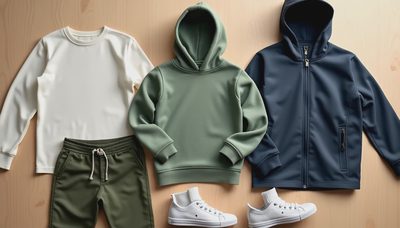
A soft grid-fleece pullover or thin down sweater (not puffy) gives warmth without restricting movement. Colors like deep navy (#1C2B4A) or forest green (#1F3A2F) work great because they hide dirt.
Outer Layer: Weather Protection
Instead of full snowsuits, I use separate waterproof snow pants and a good winter jacket.
Snow pants with adjustable straps and reinforced knees.
A slim but warm jacket with good hood and wrist gaiters.
This modular approach means if they get too warm, they can remove the jacket while keeping pants on.
The Snow Day Uniform That Actually Gets Worn
For both kids, a typical snow day outfit looks like this:
Base: Merino wool set
Mid: Fleece pullover
Bottom: Waterproof snow pants with snow gaiters
Top: Slim insulated jacket
Hands: Waterproof mittens with fleece lining (clips are lifesavers)
Feet: Wool socks + waterproof snow boots with good traction
Head: Fleece-lined hat with ear flaps and neck gaiter
The total bulk is surprisingly low, but they stay warm down to about 10–15°F with activity.
Boot Strategy for Kids Who Hate Them
Boots are often the biggest battle. Noah used to kick them off constantly.
My current winners:
Medium-height waterproof boots with easy-pull handles and soft fleece lining.
Avoid anything too tall or stiff.
Always size up slightly in winter to allow for thick socks and growth.
I keep a dedicated “snow bin” by the door with boots, mittens, and hats so getting ready is faster and less dramatic.
What to Avoid Buying
Super puffy “character” snowsuits — cute for 5 minutes, hated after that.
Cheap thin jackets that don’t block wind.
Cotton outer layers (they hold moisture and make kids colder).
Mittens without waterproof shells — hands get wet and cold fast.
Real-Life Adjustments by Age
For a 3-year-old (Noah):
Focus on easy on/off. I choose jackets with big zippers and pants with wide openings. He loves bright accents but I keep the main pieces neutral so they mix with regular clothes.
For a 6-year-old (Lily):
She has stronger opinions. I let her pick the color of her jacket (she chose a dusty rose last year) but I control the technical pieces. She can now layer herself, which builds confidence.
Packing for Snow Play Success
I always prepare a small “warm-up bag” with:
Extra dry socks and mittens
Hot cocoa packets and thermos
A spare base layer set
This way when someone gets soaked or cold, we can swap quickly without ruining the whole day.
Transitioning In and Out of the House
One of the biggest challenges is the temperature swings. They’re bundled for outside but then come in sweating. I teach the kids to remove their jacket and snow pants immediately when they enter and hang them on low hooks by the door. This prevents the house from smelling like wet wool and keeps everything ready for round two.
The result? Longer, happier snow play sessions. Last winter we had several days where the kids stayed out for over an hour without major complaints. That’s a huge win.
Winter with kids doesn’t have to be a battle against bulky clothes. With the right layering strategy, smart fabric choices, and a little preparation, snow days can actually be fun instead of stressful.
If your kids hate traditional snow gear too, try switching to a modular system. You might be surprised how much more they enjoy playing in the snow when they can actually move.
What’s your biggest snow day dressing struggle? Share below — we’ve probably all been there.
No notes yet — be the first to inscribe one.