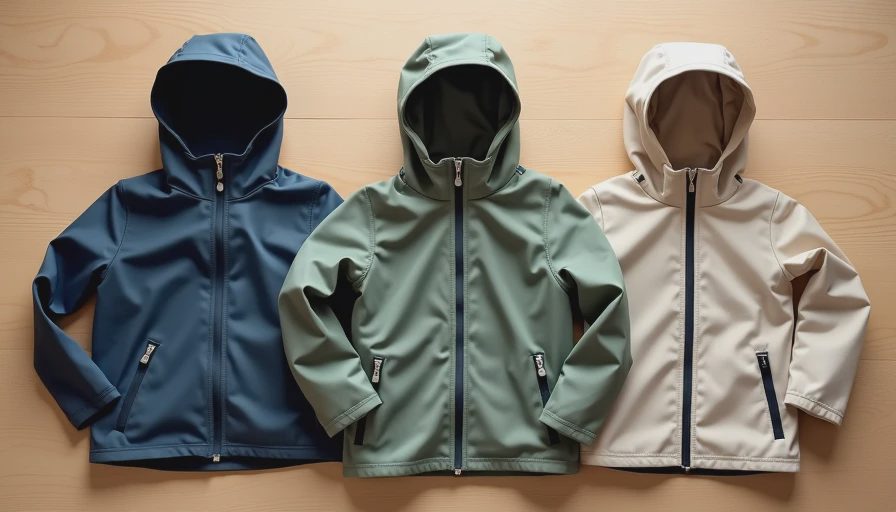
The Only 3 Jacket Types Most Young Kids Actually Need
Hey friends, Rachel Monroe here — Minneapolis mom who has learned the hard way that too many jacket options lead to chaos, not warmth. If your coat closet is exploding with puffy coats, fleece jackets, rain shells, and “just in case” layers that never get worn, I feel you.
After years in children’s retail and dressing Lily (6) and Noah (3) through brutal Midwest winters and unpredictable shoulder seasons, I’ve simplified things dramatically. You really only need three types of jackets.
Cute is nice. Easy is better. And when it comes to jackets, simple and functional wins every time.
Why Most Kids Don’t Need a Huge Jacket Collection
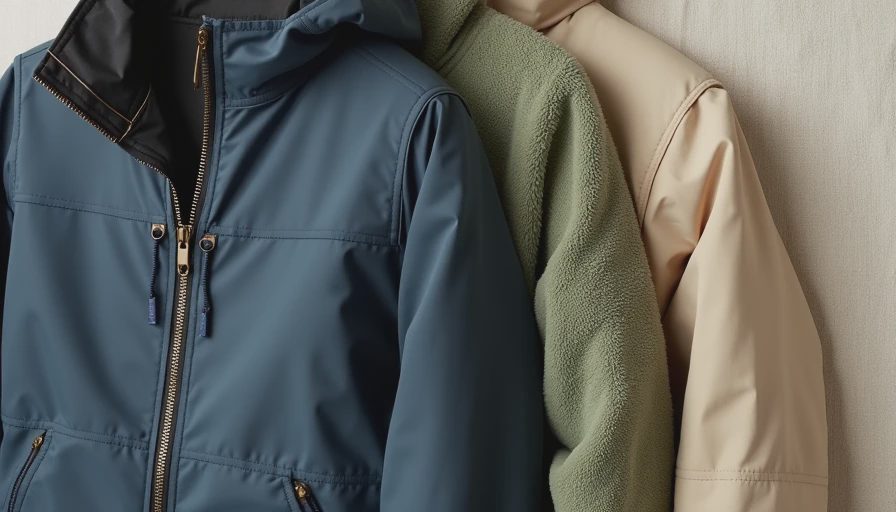
Kids run hot. They move constantly. They grow fast. Buying a jacket for every possible weather scenario creates overwhelm for both you and them. The key is choosing versatile, high-use pieces that layer well and are easy to put on and take off.
Here are the only three jacket types I keep in rotation — and why they work so well in real family life.
1. The Lightweight Windbreaker / Rain Shell
This is your everyday hero jacket. A packable, hooded windbreaker with decent water resistance.
Key features I look for:
Breathable fabric so kids don’t overheat during play
Hood that actually stays on (adjustable or with soft elastic)
Lightweight enough to tie around the waist when not needed
Packs small into its own pocket
When we use it: Spring and fall transitions, light rain, windy days, and as an extra layer over fleece in winter. Noah wears his constantly — it’s his “I’m ready to go outside” signal.
Real story: Last spring during mud season, this jacket saved us. It handled surprise rain while still letting him run and climb without getting too warm. We’ve had the same one for 18 months and it still looks decent.
2. The Mid-Weight Fleece or Soft-Shell Jacket
A cozy but not bulky fleece hoodie-jacket or soft-shell with some wind protection.
What makes it great:
Quarter-zip or full zip for easy temperature control
Soft fleece interior that feels comforting
Stretchy fabric for full movement
Not too thick — works as a mid-layer or standalone
When we use it: Cooler mornings that warm up (those 40-to-65 degree days), light fall and spring weather, and indoor-outdoor transitions.
Lily loves hers because it feels like a big hug but doesn’t restrict her on the playground. This is often the jacket they keep on all day at preschool when it’s not freezing.
3. The True Winter Insulated Jacket
One proper insulated winter jacket per child — not too puffy, with good mobility.
Must-have details:
Slimmer fit so they can still move their arms
Grow cuffs or extendable sleeves if possible
Waterproof outer shell with warm but breathable insulation
Adjustable hood and easy zippers
When we use it: Real winter days below 30°F with wind or snow. This is their “snow day” and deep winter coat.
I avoid the giant puffy coats that make kids look like marshmallows. They can’t move, overheat quickly when playing, and end up being carried by tired parents.
How These Three Cover Almost Everything
With just these three, we handle 95% of Minnesota weather:
Light rain or wind → Windbreaker
Cool but active days → Fleece/soft-shell
Cold winter → Insulated jacket
They layer beautifully together too. Windbreaker over fleece on extra cold days, or fleece under the winter jacket.
My Jacket Shopping Rules
From my boutique and merchandising experience, here’s what I always check:
Movement test: Can the child raise their arms fully and touch their toes?
Easy on/off: Zippers and snaps that small hands (or rushed parents) can handle
Washability: Everything goes in the machine — no dry clean only
Color choices: Neutrals and soft earth tones hide dirt better than brights
Durability: Reinforced elbows and strong zippers
I buy the windbreaker and fleece new or gently used. The winter jacket I usually buy new for proper waterproofing and insulation.
What Jackets I’ve Stopped Buying
Multiple heavy puffy coats (they overheat and get left behind)
“Fashion” jackets with too many details that break or itch
Cheap thin jackets that provide zero warmth
Matching sibling sets unless they happen to be on sale (coordinated is better)
Real Life in Our House
Noah is in the “refuse anything bulky” phase. The soft-shell fleece has been a game-changer — he actually asks to wear it. Lily uses her windbreaker as a security blanket on breezy days. Having only three options each makes morning decisions faster and reduces fights.
I remember one particularly cold morning last winter. Instead of fighting over the big puffy coat, I put Noah in his insulated jacket over the fleece. He ran out happily and played for hours without complaining.
Building Your Minimal Jacket System
Start simple:
One good windbreaker/rain shell
One versatile fleece or soft-shell
One quality winter jacket
Focus on quality over quantity. A few well-chosen jackets will serve you better than a closet full of mediocre ones.
Final Thoughts
You don’t need a jacket for every possible temperature. Three smart, versatile types cover almost everything real kids actually do — run, play, climb, and occasionally sit still.
If they can’t move in it, I’m not interested. That rule applies double for jackets.
Simplify your coat closet, reduce decision fatigue, and give your kids outerwear they’ll actually wear happily. Your mornings (and your laundry pile) will thank you.
You’ve got this, mama. Less really is more when it comes to kids’ jackets.
No notes yet — be the first to inscribe one.